

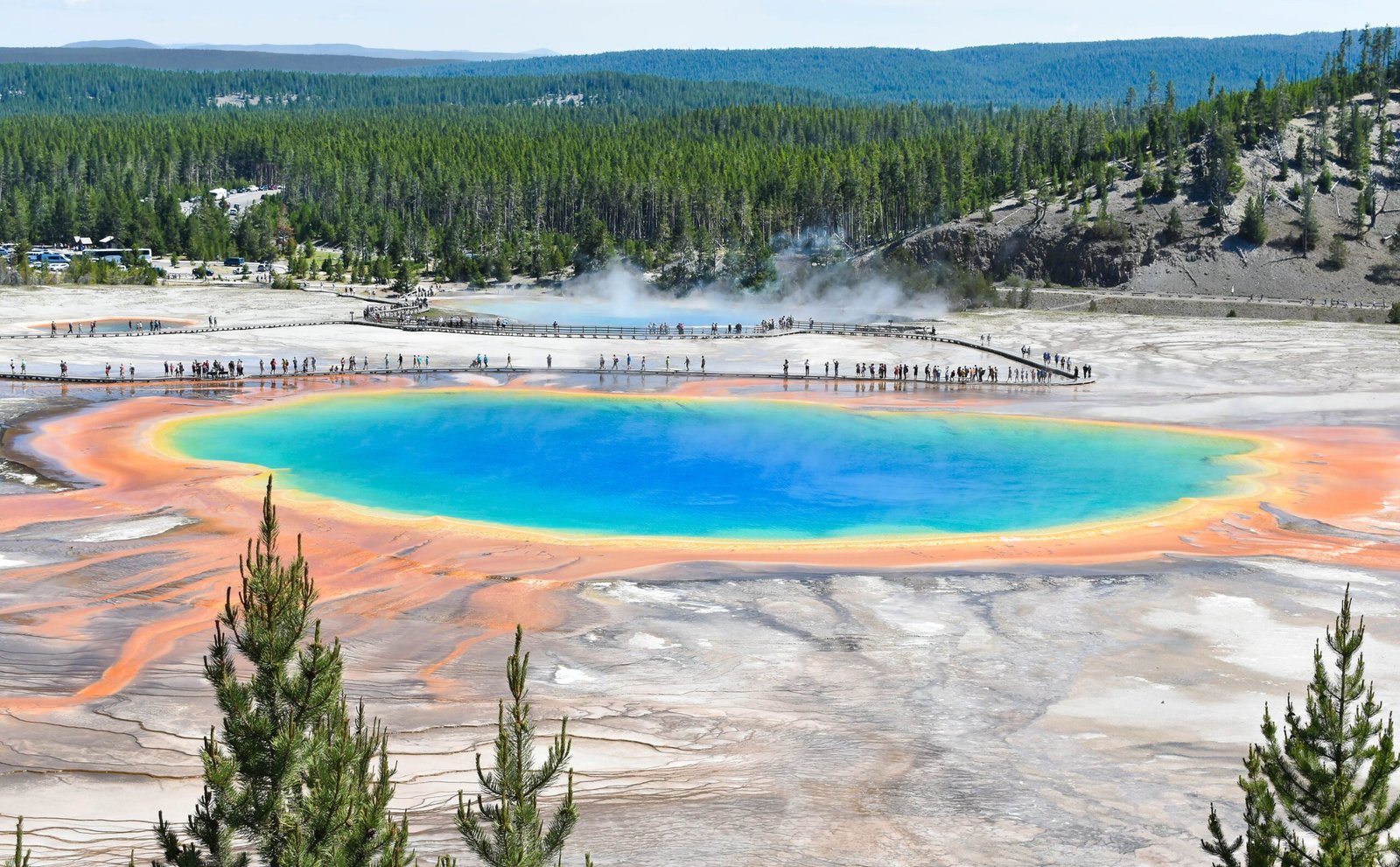
The Best National Parks America is home to some of the world’s most spectacular protected landscapes. From towering granite cliffs and enormous canyons to ancient forests, volcanic formations, glaciers and colourful desert scenery, its national parks offer remarkable experiences for nature lovers and adventure seekers. Whether you enjoy hiking, wildlife watching, photography, camping or scenic road trips, there is a national park to match almost every travel style.
The Best National Parks America has to offer are spread across different climates and regions, making each visit unique. Some parks are famous for their dramatic mountain scenery, while others are known for geothermal activity, unusual rock formations or vast wilderness areas. Choosing the right park depends on the season, your interests, travel time and the type of outdoor experience you want.
A useful starting point is to explore parks that consistently attract attention from experienced travellers and visitors. The following guide highlights seven standout destinations, additional parks worth considering, their main attractions and practical advice for planning a memorable national park adventure.
Quick Information Table
| National Park | State or Region | Best For | Main Highlights |
|---|---|---|---|
| Yosemite | California | Mountains and waterfalls | Half Dome, Yosemite Valley and Tunnel View |
| Canyonlands | Utah | Canyon scenery and hiking | Island in the Sky, Needles and Mesa Arch |
| Arches | Utah | Unique rock formations | Delicate Arch and more than 2,000 natural arches |
| Wrangell–St. Elias | Alaska | Remote wilderness | Glaciers, mountains and historic Kennecott |
| Crater Lake | Oregon | Scenic lake views | Deep blue lake and volcanic landscape |
| Grand Canyon | Arizona | Iconic landscapes | South Rim, North Rim and Colorado River |
| Zion | Utah | Hiking and dramatic cliffs | Angels Landing, The Narrows and Zion Canyon |
| Yellowstone | Wyoming, Montana and Idaho | Wildlife and geothermal features | Old Faithful, hot springs and bison |
| Grand Teton | Wyoming | Mountain scenery | Teton Range, lakes and wildlife |
| Glacier | Montana | Alpine landscapes | Going-to-the-Sun Road and mountain trails |
A Brief History of Best National Parks America
The American national park idea developed around the principle that remarkable natural landscapes should be protected and preserved for public enjoyment and future generations.
Yellowstone and the Beginning of the National Park Movement
On March 1, 1872, President Ulysses S. Grant signed legislation establishing Yellowstone as the world’s first national park. Its geysers, hot springs, lakes, forests and wildlife made it a landmark in conservation history.
The idea of protecting natural areas continued to develop, but different federal departments initially managed various parks and monuments. This arrangement made consistent protection and administration difficult.
The Creation of the National Park Service
On August 25, 1916, President Woodrow Wilson signed the legislation establishing the National Park Service (NPS). The agency was created to manage national parks and other protected areas while conserving scenery, wildlife and historic resources.
Today, the United States has 63 designated national parks spread across 31 states and territories. The wider National Park System includes hundreds of additional sites, such as national monuments, historic sites, recreation areas and national preserves. These categories are not interchangeable, even though they are all managed within the broader system.
1. Yosemite National Park, California
<badge color=”success”>Top pick</badge>
Yosemite National Park is one of America’s most celebrated natural destinations. Located in California’s Sierra Nevada mountains, it is famous for its enormous granite cliffs, dramatic waterfalls, giant sequoias and beautiful valleys.
Yosemite Valley is the centre of many first-time visits. Its scenery includes El Capitan, Half Dome and Bridalveil Fall, creating a landscape that attracts hikers, climbers and photographers from around the world.
Top Attractions in Yosemite
- Half Dome: A famous granite formation and challenging hiking destination.
- El Capitan: An enormous granite wall known for its climbing routes.
- Yosemite Falls: One of the park’s most recognisable waterfall attractions.
- Tunnel View: A classic viewpoint overlooking Yosemite Valley.
- Mariposa Grove: Home to impressive giant sequoia trees.
Yosemite is particularly rewarding for visitors who enjoy hiking and dramatic mountain scenery. Trails range from accessible valley walks to demanding mountain routes. The Half Dome hike requires advance planning and a permit when the cables are in place.
Spring is an excellent time to see waterfalls flowing strongly, while summer provides access to many high-country areas. Autumn can bring fewer crowds, although some waterfalls may have reduced flow. Winter offers a quieter experience but can involve snow, icy roads and seasonal closures.
2. Canyonlands National Park, Utah
Canyonlands is one of Utah’s most spectacular natural destinations. Located near Moab, it features deep canyons, sandstone formations, mesas and dramatic views shaped by the Colorado and Green rivers.
The park is divided into several districts, each offering a different experience. Island in the Sky is the most accessible area for many visitors, while the Needles district is known for hiking and colourful sandstone formations.
Main Attractions
- Mesa Arch: A famous viewpoint overlooking a dramatic canyon landscape.
- Island in the Sky: An elevated area with impressive panoramic views.
- The Needles: A region featuring colourful rock formations and hiking routes.
- The Maze: A remote district suited to experienced backcountry travellers.
- Grand View Point: A spectacular overlook across the canyon system.
Canyonlands is ideal for visitors who appreciate quiet landscapes, photography and outdoor exploration. Some areas are remote and require careful preparation, especially if travelling on unpaved roads.
The nearby town of Moab makes a useful base for exploring Canyonlands and neighbouring Arches National Park. Travellers can plan several days in the region to experience both parks without rushing.
3. Arches National Park, Utah
Arches National Park is famous for its extraordinary sandstone formations. Located near Moab, it contains more than 2,000 documented natural stone arches, along with balanced rocks, towers and other geological features.
The park’s red and orange sandstone creates striking scenery, particularly during sunrise and sunset. Its unusual formations make it one of the most recognisable national parks in the American Southwest.
Best Things to See
- Delicate Arch: The park’s most famous natural arch.
- Landscape Arch: A long, slender sandstone arch in the Devils Garden area.
- Balanced Rock: A distinctive rock formation that appears to balance on a narrow base.
- Double Arch: Two connected arches forming an impressive natural structure.
- Windows Section: An accessible area featuring several famous formations.
Arches is a strong choice for photography, short hikes and scenic driving. Some trails are relatively easy, while others involve uneven rock surfaces and exposure to heat.
Summer temperatures can be extremely high, so early-morning visits, adequate drinking water and sun protection are essential. Spring and autumn generally provide more comfortable hiking conditions.
4. Wrangell–St. Elias National Park and Preserve, Alaska
Wrangell–St. Elias is the largest national park in the United States, covering an enormous area of approximately 13.2 million acres when the park and preserve are considered together. Its landscapes include glaciers, mountains, rivers, volcanoes and remote wilderness.
The park is particularly appealing to travellers who want to experience Alaska’s rugged natural environment away from heavily developed tourist areas.
What Makes It Special?
- Extensive glacier systems.
- The impressive Wrangell and St. Elias mountain ranges.
- Remote wilderness and wildlife habitats.
- Historic mining communities.
- Scenic backcountry landscapes.
One of the most interesting places to explore is Kennecott, a historic mining settlement associated with Alaska’s copper-mining history. The surrounding area provides access to impressive mountain and glacier scenery.
Activities and Travel Planning
Visitors can enjoy hiking, glacier-related guided excursions, photography and scenic exploration. Some areas are difficult to access, and road conditions can be challenging.
Wrangell–St. Elias requires more planning than many easily accessible national parks. Travellers should research transport, accommodation, weather, road conditions and guided activities before visiting.
5. Crater Lake National Park, Oregon
Crater Lake is one of America’s most distinctive natural attractions. It is located in southern Oregon and was formed when the volcanic Mount Mazama collapsed following a major eruption thousands of years ago.
The resulting caldera eventually filled with rain and snowmelt, creating an exceptionally deep lake known for its intense blue colour and clear water.
Main Attractions
- Rim Drive: A scenic road offering views from different sides of the lake.
- Wizard Island: A volcanic cinder cone rising from the lake.
- Watchman Overlook: A popular viewpoint.
- Cleetwood Cove Trail: A route that provides access to the lakeshore when open.
- Rim Village: A convenient area for visitor services and lake views.
Crater Lake is particularly attractive to photographers and travellers who appreciate peaceful natural scenery. On clear days, the contrast between the blue lake and surrounding cliffs is remarkable.
Weather has a major influence on the experience. Snow can affect road access well into the warmer months, and some facilities and trails operate seasonally. Visitors should check current road and trail conditions before travelling.
6. Grand Canyon National Park, Arizona
The Grand Canyon is one of the most famous natural landmarks in the world. Carved over millions of years by the Colorado River and other geological processes, it features enormous cliffs, layered rock formations and a vast canyon landscape.
The park’s scale can be difficult to appreciate from photographs alone. Visitors can enjoy panoramic viewpoints, hiking routes, scenic drives and river-related experiences.
Top Places to Visit
- South Rim: The most accessible and popular area for many visitors.
- North Rim: A quieter area with seasonal access and a different perspective.
- Mather Point: A popular viewpoint near the South Rim visitor area.
- Yavapai Point: Known for impressive canyon views.
- Desert View: An area offering wide-ranging views of the canyon.
- Bright Angel Trail: A well-known hiking route descending into the canyon.
The South Rim is open throughout the year, although weather and operating conditions can affect specific services. The North Rim generally has a shorter operating season because of its higher elevation and winter conditions.
Important Safety Advice
Hiking below the rim is more demanding than many visitors expect. Temperatures can be significantly hotter inside the canyon, and the return journey involves climbing uphill. Carry sufficient water, avoid hiking during extreme heat and choose a route that matches your fitness and experience.
The Grand Canyon is an excellent destination for both short visits and longer adventures. Visitors can enjoy impressive scenery even without undertaking a difficult hike.
7. Zion National Park, Utah
Zion National Park is famous for its towering sandstone cliffs, narrow canyon landscapes, hiking routes and scenic river environments. Located in southwestern Utah, it is one of the most popular destinations for outdoor enthusiasts.
The main Zion Canyon area is particularly well known for its dramatic views and accessible trails. The park also includes quieter sections and less-developed areas for visitors seeking different experiences.
Famous Zion Attractions
- Angels Landing: A challenging route with exposed sections and a permit requirement for the final chain-assisted section.
- The Narrows: A popular river hike through a narrow canyon.
- Emerald Pools: A collection of trails leading to scenic pools and waterfalls.
- Canyon Overlook: A shorter hike with beautiful views.
- Kolob Canyons: A less-visited section with impressive scenery.
Zion is a rewarding destination for hikers, photographers and adventure travellers. However, the park can become crowded during popular seasons. Shuttle arrangements, parking restrictions and access rules may affect how visitors explore the main canyon.
The Narrows also requires careful preparation because water levels, flash-flood risks and weather conditions can change. Always check official safety guidance before entering the river.
Other National Parks Worth Adding to Your Travel List
The seven parks above are excellent starting points, but America’s national park system includes many other remarkable destinations.
Yellowstone National Park
<AsyncImage query=”Yellowstone National Park Grand Prismatic Spring Old Faithful bison landscape” aspectRatio=”16:9″ width=”100%”/>
Yellowstone spans Wyoming, Montana and Idaho. It is famous for geysers, hot springs, mud pots, wildlife and dramatic landscapes. Old Faithful is among its best-known geothermal attractions, while the park’s wider ecosystem supports bison, elk, bears and wolves.
It is especially suitable for travellers who want to combine wildlife viewing with geological wonders.
Grand Teton National Park
<AsyncImage query=”Grand Teton National Park mountain range Jenny Lake reflection” aspectRatio=”16:9″ width=”100%”/>
Located in Wyoming, Grand Teton features dramatic mountain peaks, glacial lakes and excellent wildlife-viewing opportunities. Jenny Lake and the Teton Range are among its most recognisable attractions.
The park is a favourite for hiking, photography, boating and scenic drives. It can also be combined with a visit to Yellowstone.
Glacier National Park
<AsyncImage query=”Glacier National Park Montana Going to the Sun Road alpine lake mountains” aspectRatio=”16:9″ width=”100%”/>
Glacier National Park in Montana is known for alpine scenery, mountain lakes, forests and rugged hiking trails. Going-to-the-Sun Road is one of its most famous scenic routes.
Visitors should plan around seasonal road openings, weather conditions and any vehicle reservation requirements announced for their travel dates.
Great Smoky Mountains National Park
<AsyncImage query=”Great Smoky Mountains National Park misty mountain forest landscape” aspectRatio=”16:9″ width=”100%”/>
Located along the Tennessee and North Carolina border, Great Smoky Mountains National Park protects a diverse landscape of forests, streams and mountain habitats. It is especially popular for scenic drives, hiking, waterfalls and wildlife.
The park is also known for its rich biodiversity and changing autumn colours.
Acadia National Park
<AsyncImage query=”Acadia National Park Maine rocky coastline Cadillac Mountain ocean” aspectRatio=”16:9″ width=”100%”/>
Acadia is located on the coast of Maine and offers a combination of rocky shorelines, forested trails, lakes and mountain views. Cadillac Mountain is one of its best-known attractions.
It is a particularly appealing destination for visitors who enjoy coastal scenery, cycling and outdoor recreation.
How to Choose the Best National Park for Your Trip
The right national park depends on the type of experience you want. Consider these factors before booking transportation or accommodation.
1. Choose Activities That Match Your Interests
If you enjoy challenging hikes, Zion, Yosemite and Grand Teton offer excellent options. Travellers interested in geological features may prefer Yellowstone, Arches and Crater Lake.
For wildlife watching, Yellowstone, Grand Teton and Glacier are strong choices. Visitors looking for remote wilderness may find Alaska’s parks especially rewarding.
2. Consider the Best Season
National parks can look completely different throughout the year. Spring brings waterfalls and fresh vegetation in many regions, while summer offers access to high-elevation trails and remote roads.
Autumn is popular for colourful foliage and cooler hiking conditions. Winter can provide peaceful scenery, snow-based activities and fewer visitors, but some roads, services and trails may close.
3. Check Accessibility and Transportation
Some parks have nearby airports and established visitor facilities, while others require long drives or specialised transport. Wrangell–St. Elias, for example, requires more detailed travel planning than Yosemite or the Grand Canyon.
If you plan to visit several parks, consider how much driving each route involves. Avoid trying to cover too many destinations in a short trip.
4. Book Accommodation Early
Lodging inside popular national parks can be limited, particularly during peak seasons. Campsites, lodges and nearby hotels may fill up months ahead.
Staying outside a park can provide more accommodation choices and sometimes better prices. However, calculate the additional driving time and transport costs before deciding.
5. Understand Entrance Fees and Reservations
Some national parks charge entrance fees, while others are free to enter. Fees can vary depending on whether visitors arrive by private vehicle, motorcycle, bicycle or on foot.
Certain parks may also use timed-entry systems, vehicle reservations, shuttle services or permits for specific activities. These rules can change from one year to another, so check the current requirements before travelling.
Latest National Park Travel Updates for 2026
Planning a national park visit in 2026 requires particular attention to entrance fees and travel requirements.
Nonresident Entrance Surcharge
Beginning January 1, 2026, an additional $100 nonresident fee applies to visitors aged 16 and older who are not residents of the United States at 11 national parks:
- Acadia
- Bryce Canyon
- Everglades
- Glacier
- Grand Canyon
- Grand Teton
- Rocky Mountain
- Sequoia and Kings Canyon
- Yellowstone
- Yosemite
- Zion
This fee is in addition to the regular entrance charge where applicable. International visitors should include it in their travel budget when planning visits to these parks.
Free Entrance Days
The 2026 National Park Service free-entry calendar includes selected dates when regular entrance fees are waived at participating fee-charging sites. However, other charges, including reservation or transportation fees, may still apply.
From 2026, these free-entry dates apply to U.S. citizens and residents. International visitors should not assume they qualify for the same free admission.
Reservation and Access Rules
Timed-entry and vehicle reservation requirements can change by park and season. Some parks may require reservations for particular roads, areas or popular activities, while others may use shuttle systems to manage visitor traffic.
Check current park alerts, road closures, weather notices and permit conditions before departure. Do not rely on an old travel itinerary for current access information.
Frequently Asked Questions
What are the best national parks in America for first-time visitors?
Yosemite, Yellowstone, Grand Canyon, Zion and Grand Teton are excellent starting points. They offer a variety of landscapes, established visitor facilities and memorable natural attractions.
Which national park is considered the most beautiful?
There is no universally accepted answer because beauty is subjective. Yosemite is especially admired for its granite cliffs and waterfalls, while Crater Lake is famous for its deep blue water and the Grand Canyon for its extraordinary scale.
How many national parks are there in the United States?
The United States has 63 designated national parks. The wider National Park System includes hundreds of other protected places, such as national monuments, historic sites and recreation areas.
What is the largest national park in America?
Wrangell–St. Elias National Park and Preserve in Alaska is the largest, covering approximately 13.2 million acres when the park and preserve areas are combined.
What is the best time to visit national parks?
Spring and autumn are often good choices for comfortable weather and outdoor activities. Summer is popular for access to high-elevation areas, while winter offers a quieter experience in parks that remain accessible.
Do all national parks charge entrance fees?
No. Some parks charge entrance fees, while others are free. Additional fees may apply for parking, camping, permits, shuttles or special activities.
Do international visitors pay extra in 2026?
Yes. A $100 nonresident fee applies to visitors aged 16 and older who are not U.S. residents at 11 specified national parks. It is charged in addition to the regular entrance fee where applicable.
Conclusion
The Best National Parks America offers showcase the country’s extraordinary natural diversity. Yosemite impresses visitors with its granite cliffs and waterfalls, Canyonlands and Arches reveal the beauty of Utah’s red-rock landscapes, and Wrangell–St. Elias provides an unforgettable experience of Alaska’s vast wilderness. Crater Lake, the Grand Canyon and Zion each offer distinctive scenery and outdoor adventures.
Other destinations, including Yellowstone, Grand Teton, Glacier, Great Smoky Mountains and Acadia, provide even more reasons to explore the American national park system.
The best park for your trip depends on your interests, available time, travel budget and preferred season. Plan ahead, respect wildlife, follow park safety guidance and check current entrance and reservation rules. With thoughtful preparation, a visit to one or more national parks can become one of the most rewarding travel experiences in the United States.
