

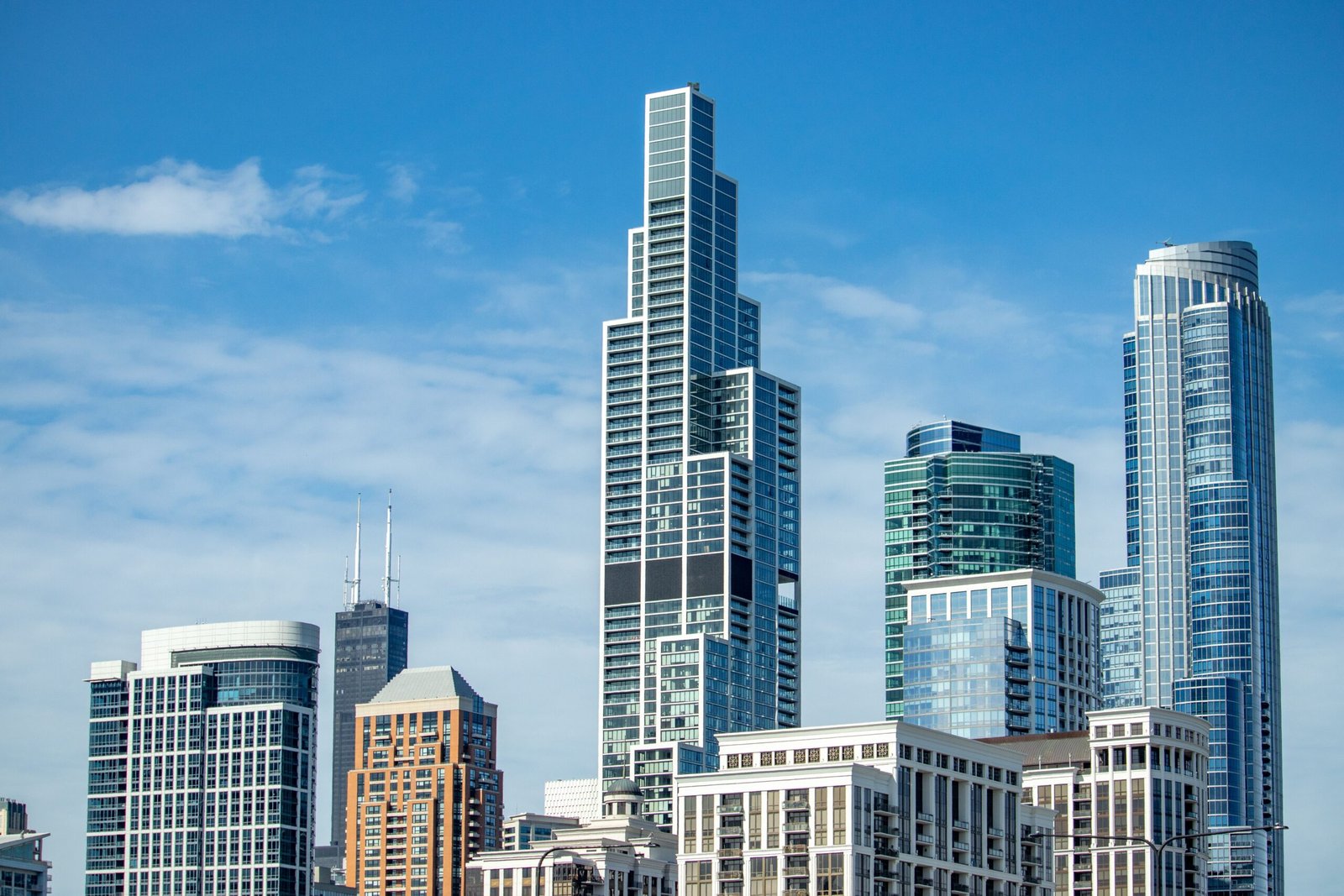
Commercial real estate investment is an important part of the United States property market. It involves purchasing, owning, leasing, managing, or developing properties that are primarily used for business activities.
Unlike residential real estate, which generally focuses on housing, commercial properties are designed for activities such as retail, offices, manufacturing, storage, hospitality, and healthcare.
Many investors consider commercial real estate because properties can generate rental income, support long-term asset ownership, and provide opportunities for value improvement.
However, commercial property investment also involves risks. Property prices, interest rates, tenant demand, maintenance costs, and local economic conditions can affect financial performance.
Understanding the market and evaluating each property carefully are essential before investing.
What Is Commercial Real Estate Investment?
Commercial real estate investment means purchasing or financing property for business-related use or income generation.
Investors may buy a property and lease it to businesses, purchase commercial space for their own operations, or develop property for future sale or rental.
Commercial real estate can generate income through rent and may increase in value over time. However, neither rental income nor appreciation is guaranteed.
The financial results depend on factors such as location, property condition, tenant quality, lease terms, operating expenses, financing, and market demand.
1. Office Buildings
Office buildings are properties designed for businesses and professional organizations.
They may contain private offices, meeting rooms, shared workspaces, reception areas, and other facilities.
Office properties can include:
- Small professional office buildings
- Medical office buildings
- Multi-tenant office properties
- Corporate headquarters
- Flexible office spaces
Investors should evaluate local employment trends, business demand, vacancy rates, transportation access, and nearby amenities.
Changes in remote and hybrid work have affected office demand in many markets. As a result, investors should not assume that every office building will attract tenants easily.
A property’s condition, layout, technology infrastructure, and location can influence its competitiveness.
2. Retail Properties
Retail real estate includes properties where businesses sell products or services directly to customers.
Examples include:
- Shopping centers
- Strip malls
- Standalone retail stores
- Grocery-anchored centers
- Shopping malls
- Restaurants and retail units
Retail properties depend on customer traffic, local demographics, household spending, accessibility, and competition.
A shopping center near residential neighborhoods may attract grocery stores, restaurants, salons, and service businesses.
Investors should examine tenant quality, lease agreements, parking availability, property visibility, and the financial strength of the surrounding area.
Online shopping has changed the retail landscape, but many physical businesses continue to rely on in-person customer experiences.
3. Industrial Real Estate
Industrial real estate is used for manufacturing, storage, distribution, and logistics operations.
Common property types include:
- Warehouses
- Distribution centers
- Manufacturing facilities
- Storage buildings
- Industrial parks
- Flex industrial properties
The growth of e-commerce and supply chain operations has increased interest in certain industrial property markets.
However, demand differs by location and property specifications.
Investors should consider ceiling height, loading docks, truck access, power capacity, building size, transportation networks, and zoning restrictions.
Industrial properties may require specialized maintenance and infrastructure, so inspections are important before purchase.
4. Multifamily Properties
Multifamily real estate includes residential buildings with multiple rental units.
Examples include apartment complexes, duplexes, triplexes, and larger residential communities.
Although multifamily properties are residential in use, they are commonly included in commercial real estate investment discussions, particularly when dealing with larger apartment buildings.
Investors may earn income through monthly rent.
Important factors include:
- Occupancy rates
- Local rental demand
- Property management
- Maintenance expenses
- Tenant turnover
- Property taxes
- Insurance
- Local housing regulations
Investors should study the local rental market and calculate operating expenses before deciding whether a property is financially attractive.
5. Hospitality Properties
Hospitality real estate includes properties designed to provide accommodation and related services.
Examples include:
- Hotels
- Motels
- Resorts
- Extended-stay properties
- Boutique hotels
Hospitality properties may generate income from room bookings, food services, events, and additional facilities.
However, this category can be sensitive to tourism, travel demand, seasonal changes, operating costs, and economic conditions.
Investors should evaluate occupancy rates, average daily room rates, revenue per available room, management arrangements, and local competition.
Hotel investments can involve more complex operations than traditional rental properties.
6. Healthcare and Medical Properties
Healthcare real estate includes facilities used by medical and healthcare providers.
These may include:
- Medical office buildings
- Dental clinics
- Outpatient centers
- Diagnostic facilities
- Specialty healthcare properties
Demand may be supported by local population needs and healthcare services.
However, these properties can involve specialized building requirements, accessibility standards, equipment infrastructure, and regulatory considerations.
Investors should understand the property’s intended use and confirm that the building meets relevant requirements.
How Commercial Real Estate Generates Income
Commercial properties can generate income through different arrangements.
The most common method is rental income. A property owner leases space to a business or tenant in exchange for regular payments.
Some leases also require tenants to pay certain operating expenses, depending on the lease structure.
Common commercial lease types include:
Gross Lease: The tenant generally pays rent, while the landlord covers specified property operating expenses.
Net Lease: The tenant pays rent and some additional property expenses. The exact obligations depend on the agreement.
Triple Net Lease: The tenant generally pays base rent plus specified property expenses such as property taxes, insurance, and maintenance, subject to the lease terms.
Investors should review every lease carefully because responsibilities can vary.
Understanding Net Operating Income
Net operating income, or NOI, is a common metric used to evaluate income-producing commercial properties.
It is generally calculated by subtracting operating expenses from effective gross operating income.
Operating income may include rental income and other property-related income.
Operating expenses may include property management, insurance, maintenance, utilities paid by the owner, and property taxes.
NOI generally excludes debt service, income taxes, depreciation, and certain capital expenditures.
For example, suppose a property produces $200,000 in annual effective operating income and has $80,000 in annual operating expenses.
Its estimated NOI would be:
$200,000 – $80,000 = $120,000
This figure can help investors compare income-producing properties, but it does not represent the owner’s final profit.
Understanding Capitalization Rate
The capitalization rate, often called the cap rate, is another common commercial real estate measurement.
It is calculated by dividing a property’s net operating income by its purchase price or market value.
For example, if a property has an annual NOI of $120,000 and costs $1,500,000, its cap rate is:
$120,000 ÷ $1,500,000 = 8%
The cap rate provides a simplified way to compare income relative to property value.
However, it does not account for every factor, including financing costs, future repairs, taxes on investment income, or changes in property value.
A higher cap rate does not automatically mean a better investment. It may reflect greater risk, weaker location demand, or a property requiring significant improvements.
Commercial Real Estate Financing
Commercial property purchases often require substantial capital.
Investors may use different financing methods, including:
- Traditional commercial mortgages
- Bank loans
- Commercial mortgage-backed financing
- Private lending
- Partnerships
- Real estate investment funds
- Seller financing, where available
Lenders may evaluate the property’s income, borrower financial strength, credit history, loan-to-value ratio, debt service coverage, and other factors.
Commercial loans can have different terms from residential mortgages. Interest rates, repayment periods, balloon payments, and refinancing requirements should be reviewed carefully.
Investors should compare financing offers and calculate how debt payments may affect cash flow.
Important Costs of Commercial Property Ownership
The purchase price is only one part of the total investment.
Commercial property owners may face expenses such as:
- Property taxes
- Insurance
- Repairs and maintenance
- Property management
- Utilities
- Legal and accounting services
- Security
- Landscaping
- Marketing and leasing costs
- Major building improvements
- Loan interest and fees
Some expenses may be passed to tenants under the lease agreement, but owners should not assume that every cost will be recovered.
Vacant space can also reduce income while certain expenses continue.
A realistic budget should include reserves for unexpected repairs and periods without tenants.
How to Evaluate a Commercial Property
Before purchasing a commercial property, investors should conduct detailed research.
Research the Location
Location affects tenant demand, accessibility, visibility, and potential property value.
Examine nearby businesses, transport links, population trends, development projects, and local economic activity.
Review Existing Tenants
If a property already has tenants, review their leases and payment history.
Consider lease duration, rent increases, renewal options, security deposits, and tenant financial stability.
Inspect the Building
A professional inspection can identify structural problems, roof damage, electrical issues, plumbing concerns, and other maintenance requirements.
Investors should also review environmental reports and other assessments when appropriate.
Analyze Financial Performance
Review income statements, expense records, vacancy history, property taxes, insurance costs, and capital improvement requirements.
Do not rely only on the seller’s estimated income.
Understand Zoning and Regulations
Confirm that the property can legally be used for the intended purpose.
Zoning restrictions, building codes, environmental regulations, accessibility requirements, and local permits can affect property operations.
Commercial Real Estate Investment Strategies
Investors can use different strategies depending on their financial goals and experience.
Buy and Hold: Purchase a property and maintain ownership while collecting rental income.
Value-Add Investment: Purchase a property that needs improvements, upgrade it, and attempt to increase its income or market value.
Development: Acquire land or existing property and develop it for commercial use. Development projects can involve significant planning, financing, and construction risk.
Partnership Investment: Work with other investors to purchase or manage a property.
Real Estate Investment Trusts: Invest in publicly traded or private real estate investment trusts, depending on eligibility and structure, rather than directly owning a building.
Each strategy has different capital requirements, risks, and management responsibilities.
Risks of Commercial Real Estate Investment
Commercial real estate can offer income opportunities, but investors should understand the risks.
Vacancy risk occurs when tenants leave and replacement tenants cannot be found quickly.
Market risk can affect property values and rental demand during economic changes.
Interest rate risk may increase borrowing costs or make refinancing more difficult.
Maintenance risk can create unexpected expenses, especially in older buildings.
Tenant concentration risk occurs when a property depends heavily on one tenant or a small number of tenants.
Liquidity risk is also important. Commercial properties can take time to sell, and investors may not be able to access their money quickly.
Careful research, financial reserves, and professional advice can help investors manage these risks.
Final Thoughts
Commercial real estate investment offers several opportunities in the United States, including office buildings, retail properties, industrial facilities, multifamily housing, hospitality properties, and healthcare buildings.
Investors may generate income through rental agreements and potentially benefit from long-term property value growth. However, results depend on market conditions, property quality, tenant demand, financing, and operating expenses.
Before investing, study the location, review leases, inspect the property, calculate net operating income, compare financing options, and understand local regulations.
Commercial real estate should be approached as a long-term financial decision that requires research and careful planning. Investors who understand both the opportunities and the risks are better prepared to evaluate potential properties.
