

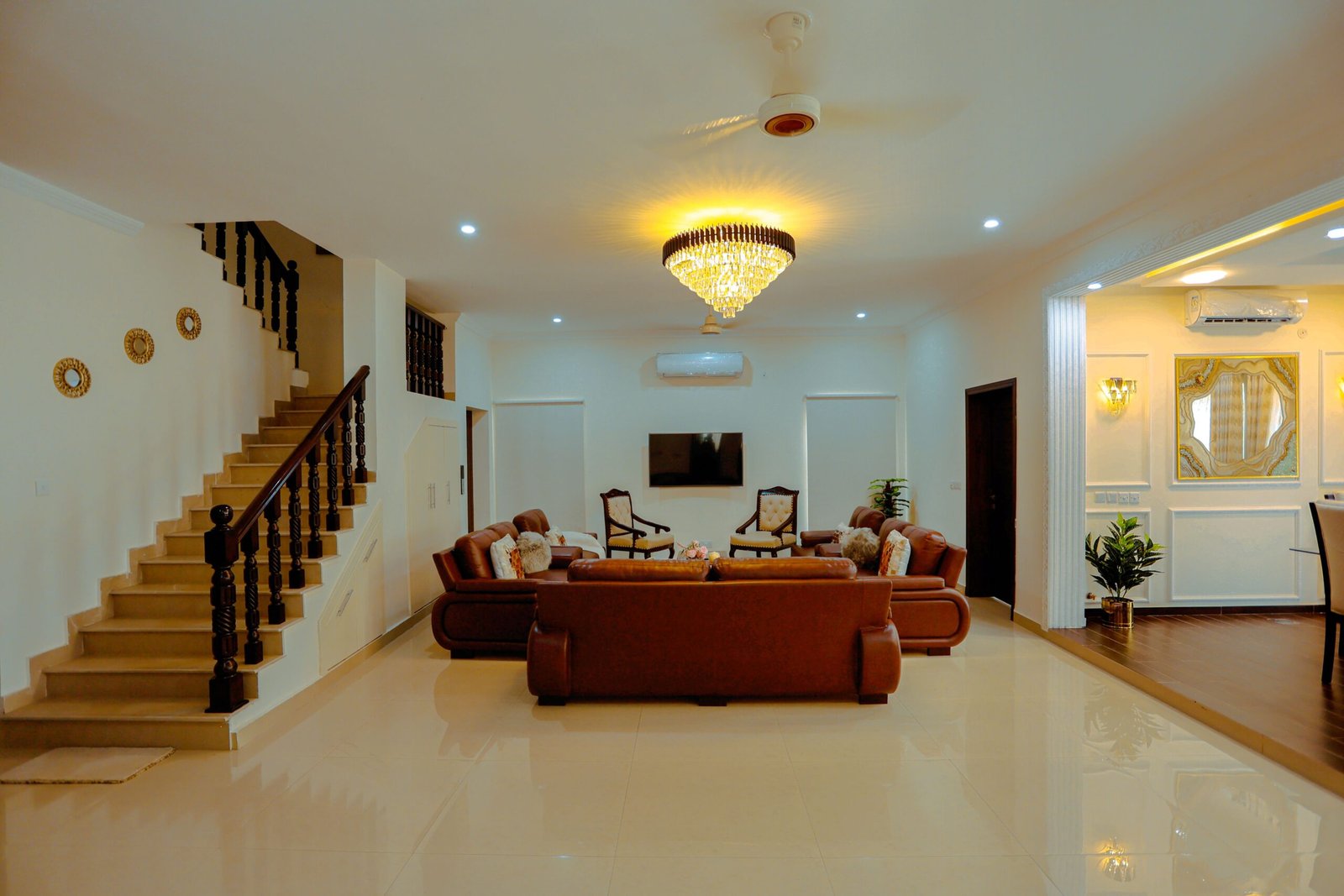
Introduction
Home upgrading mintpalment is a practical approach to improving your living space through thoughtful renovation, modern design, better organization, and affordable home improvements. A home is more than just a building. It is a place where families spend time, relax, work, and create memories. Keeping it comfortable, attractive, and functional requires regular attention and occasional upgrades.
Home improvement does not always mean spending a large amount of money or renovating every room. Simple changes, such as refreshing wall colors, improving lighting, replacing outdated fixtures, organizing storage, and repairing damaged areas, can make a noticeable difference. The key is to understand what your home needs and choose improvements that provide lasting benefits.
Home upgrading mintpalment focuses on making sensible decisions that balance appearance, functionality, comfort, energy efficiency, and long-term property value. Whether you live in a small apartment, a traditional family house, or a modern property, the right improvements can transform your living environment.
This guide explores the most important home upgrading ideas, planning strategies, renovation priorities, modern features, and budget-friendly solutions to help homeowners make better decisions.
Quick Information Table
| Category | Information |
|---|---|
| Topic | Home Upgrading Mintpalment |
| Main Purpose | Improving home appearance, comfort, and functionality |
| Main Focus | Renovation, interior design, maintenance, and organization |
| Important Areas | Kitchen, bathroom, bedroom, living room, and outdoor spaces |
| Popular Improvements | Painting, lighting, flooring, storage, and fixtures |
| Modern Features | Smart lighting, security systems, and energy-efficient appliances |
| Budget Approach | Affordable improvements and planned renovations |
| Suitable For | Homeowners, families, renters, and DIY enthusiasts |
| Long-Term Benefits | Better living conditions, efficiency, and property appeal |
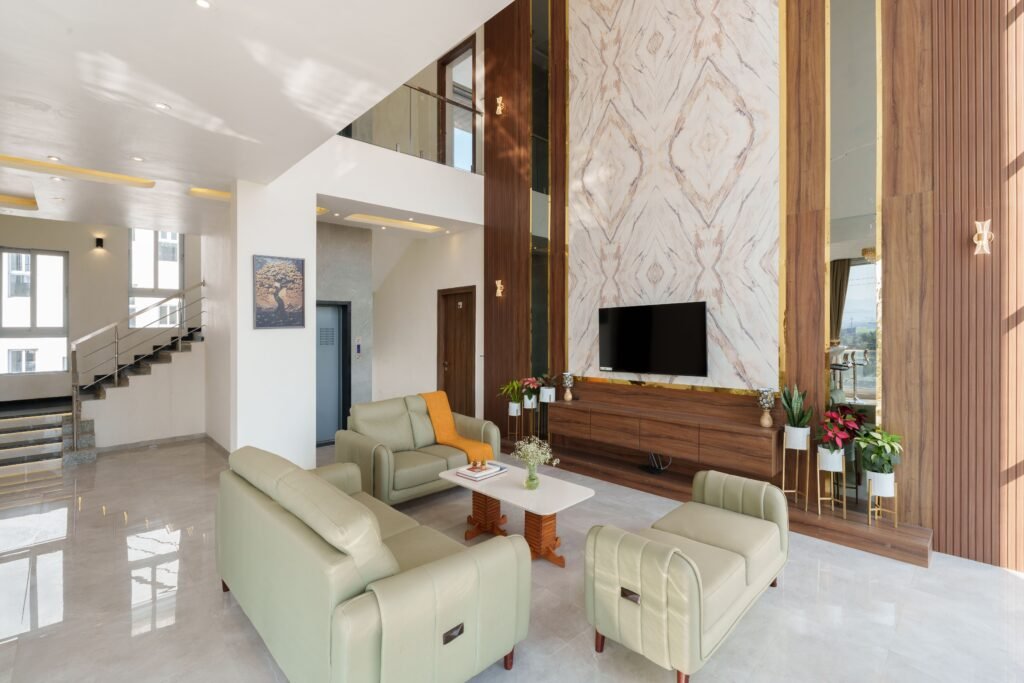
What Is Home Upgrading Mintpalment?
Home upgrading mintpalment can be understood as a practical approach to making residential spaces more comfortable, attractive, organized, and efficient. It combines different aspects of home improvement, including renovation, decoration, maintenance, space management, and modern technology.
The idea is to improve a home according to the needs of the people living in it rather than following every new design trend.
For example, a family may need additional kitchen storage, while someone working remotely may want a comfortable home office. Another homeowner might prioritize bathroom repairs, better ventilation, or improved lighting.
These projects may look different, but they share the same objective: creating a home that works better for everyday life.
Why Is This Approach Important?
A well-maintained home provides several practical advantages:
- Makes everyday activities more convenient.
- Improves the appearance of interior and exterior spaces.
- Helps identify maintenance problems early.
- Creates better storage and organization.
- Supports energy efficiency.
- Improves safety and accessibility.
- Can increase the property’s overall appeal.
Instead of making unnecessary changes, homeowners can focus on improvements that solve real problems.
1. Start With a Proper Home Improvement Plan
Planning is one of the most important parts of any successful renovation. Without a clear plan, homeowners can spend money on unnecessary materials, change their original ideas halfway through a project, or exceed their available budget.
Before beginning, inspect every room and identify the areas that need attention.
Identify Your Main Priorities
Make a list of improvements and divide them into three categories:
Essential improvements: These include repairing leaking pipes, damaged electrical connections, roof problems, moisture issues, and broken fixtures.
Functional improvements: These include adding storage, improving lighting, updating kitchen arrangements, and creating more usable space.
Decorative improvements: These include painting walls, changing curtains, adding artwork, replacing decorative accessories, and updating furniture.
Completing essential repairs first helps prevent small problems from becoming expensive renovation projects.
Set Realistic Goals
Decide what you want to achieve before purchasing anything. Your objective might be to create a modern living room, improve kitchen functionality, make a bedroom more relaxing, or reduce electricity consumption.
Clear goals make it easier to select suitable materials and avoid unnecessary expenses.
2. Upgrade Your Kitchen for Better Functionality
The kitchen is one of the most frequently used areas of a home. A well-organized kitchen makes cooking, cleaning, and food preparation easier.
However, a complete kitchen renovation can be expensive. Fortunately, several smaller improvements can create a fresh and modern appearance.
Improve Kitchen Cabinets and Storage
Old cabinets can make an otherwise attractive kitchen look outdated. Repainting cabinet doors, replacing handles, and repairing damaged shelves are affordable ways to improve their appearance.
Consider installing additional shelves, drawer organizers, and storage racks to make better use of available space.
Improve Lighting and Work Areas
Good lighting is essential for a functional kitchen. Under-cabinet lighting can make food preparation easier, while ceiling lights provide general illumination.
Keep countertops organized and ensure that frequently used appliances are easy to access.
Choose Practical Materials
Select countertop and flooring materials that are durable, easy to clean, and suitable for everyday use. The best material depends on your budget, household requirements, and maintenance preferences.
3. Make Bathroom Improvements a Priority
Bathrooms require regular maintenance because they are frequently exposed to water and moisture. Small problems can become serious if they are ignored.
Home upgrading mintpalment encourages homeowners to consider both appearance and functionality when improving bathrooms.
Replace Outdated Fixtures
Changing old faucets, showerheads, cabinet handles, and other fixtures can make a bathroom feel more modern.
Water-efficient fixtures are also worth considering because they can reduce unnecessary water consumption.
Improve Ventilation
Proper ventilation helps control moisture and reduces the risk of mold and unpleasant odors.
Install an appropriate exhaust fan or improve existing ventilation where necessary. Check areas around sinks, showers, and bathtubs for signs of water leakage.
Improve Bathroom Safety
Use slip-resistant flooring, secure towel rails, and suitable lighting. Grab bars can also improve accessibility for older adults and people who need additional support.
4. Refresh Your Living Room and Interior Design
The living room is often the main gathering area for family members and guests. Its design should balance comfort, appearance, and practical use.
A few carefully selected changes can completely improve the atmosphere of this space.
Choose Suitable Wall Colors
Wall colors influence how a room looks and feels. Light shades can make smaller spaces appear more open, while darker accent colors can create visual depth.
Neutral shades, including cream, beige, white, and soft gray, provide flexible backgrounds for different furniture styles.
Rearrange Furniture
You do not always need new furniture to improve a living room. Rearranging existing pieces can create better movement and make the room feel more spacious.
Avoid blocking windows, doorways, and frequently used pathways.
Add Functional Decorations
Choose decorative items that also serve a purpose. Storage baskets, shelves, side tables, and multifunctional furniture can improve organization without making the room feel crowded.
5. Improve Bedroom Comfort and Organization
A bedroom should provide a comfortable environment for relaxation and sleep. Its design should prioritize practical furniture arrangements, suitable lighting, and an organized atmosphere.
Select Comfortable Furniture
Choose a bed, mattress, and pillows that suit your personal comfort requirements. Furniture should fit the available room size without restricting movement.
Beds with built-in storage can be particularly useful in smaller bedrooms.
Create Better Storage
Wardrobes, under-bed storage, organizers, and wall-mounted shelves help reduce clutter.
Keep frequently used belongings accessible and store seasonal items separately.
Use Relaxing Lighting
Soft lighting can create a comfortable bedroom atmosphere. Bedside lamps and adjustable lighting provide flexibility for reading, relaxing, and other activities.
6. Improve Lighting Throughout the Home
Lighting is an important part of home upgrading mintpalment because it affects both appearance and everyday functionality.
A room with suitable lighting can feel more welcoming, spacious, and comfortable.
Use Three Types of Lighting
Ambient lighting: Provides general illumination throughout a room.
Task lighting: Supports specific activities such as cooking, reading, studying, and working.
Accent lighting: Highlights decorative features, artwork, architectural details, or selected areas.
Combining these lighting types creates a balanced interior.
Choose Energy-Efficient LED Lights
LED bulbs generally consume less electricity than traditional incandescent bulbs and have a longer operating life.
Choose appropriate brightness and color temperature according to each room’s purpose.
7. Consider Smart Home Technology
Modern technology has introduced new ways to manage residential spaces. Smart home devices can improve convenience, security, and energy management.
However, homeowners should select technology based on actual needs rather than purchasing every available device.
Useful Smart Home Features
Some practical options include:
- Smart lighting systems.
- Smart door locks.
- Video doorbells.
- Security cameras.
- Motion sensors.
- Smart plugs.
- Water leak detectors.
- Smart temperature controls where compatible.
These devices can provide greater control over selected home functions.
Focus on Security and Compatibility
Before purchasing smart devices, check their compatibility with your existing electrical systems and internet connection.
Use strong passwords, update device software, and review privacy settings to protect connected equipment.
8. Improve Energy Efficiency and Reduce Utility Costs
Energy efficiency is an important consideration when upgrading a home. Efficient appliances, improved ventilation, better insulation, and suitable lighting can help reduce unnecessary energy consumption.
Upgrade Household Appliances
Older appliances may consume more electricity than modern energy-efficient alternatives.
When replacing refrigerators, washing machines, air conditioners, or other major appliances, compare their energy ratings and operating requirements.
Improve Doors and Windows
Gaps around doors and windows can allow unwanted air movement and affect indoor comfort.
Weatherstripping, suitable sealing materials, insulated curtains, and appropriate window improvements can help maintain more consistent indoor temperatures.
Consider Solar Energy
Solar panels can be an option for homeowners looking to reduce dependence on conventional electricity supplies.
Before installation, evaluate available roof space, sunlight exposure, equipment quality, installation costs, and local electricity arrangements.
9. Upgrade Your Outdoor Space
The exterior of a home is just as important as its interior. A clean, organized, and well-maintained outdoor area improves the overall appearance of a property.
Improve Your Garden
A small garden can become an attractive part of your home with suitable plants, clean pathways, and organized planting areas.
Choose plants according to the local climate, available sunlight, and maintenance requirements.
Refresh Exterior Walls
Cleaning exterior walls and repainting damaged surfaces can improve the property’s appearance.
Before painting, repair cracks, address moisture problems, and prepare the surface properly.
Create a Comfortable Outdoor Area
Consider adding outdoor seating, suitable lighting, shade, and weather-resistant furniture.
Even a small balcony or patio can become a useful relaxation space with thoughtful arrangements.
10. Focus on Home Maintenance and Preventive Repairs
Home improvement is not limited to renovation and decoration. Regular maintenance is essential for protecting a property and preserving the benefits of previous upgrades.
Ignoring maintenance can lead to expensive repairs and unnecessary inconvenience.
Follow a Regular Inspection Schedule
Check important areas of your home regularly:
- Inspect roofs and ceilings for water damage.
- Check plumbing connections for leaks.
- Clean air-conditioning filters.
- Inspect electrical switches and visible wiring.
- Check doors, windows, and locks.
- Look for cracks and moisture problems.
- Maintain drainage systems.
- Inspect bathroom and kitchen ventilation.
Structural, electrical, and plumbing problems should be handled by qualified professionals.
Fix Small Problems Early
A minor leak, damaged seal, or loose fixture may appear harmless, but ignoring it can lead to larger problems.
Timely repairs help protect building materials and reduce the possibility of expensive restoration work.
11. Plan Your Budget Carefully
Budget management is essential for successful home upgrading. A beautiful renovation is not necessarily a good financial decision if it creates unnecessary debt or leaves important repairs unfinished.
Calculate the Total Project Cost
Before beginning, estimate the costs of:
- Materials and supplies.
- Professional labor.
- Transportation and delivery.
- Equipment and tools.
- Installation.
- Cleaning and finishing.
- Unexpected repairs.
Keep an additional contingency amount for unexpected expenses.
Complete Projects in Stages
If your budget is limited, divide the renovation into manageable stages.
For example, complete essential repairs first, then improve the kitchen, followed by the bathroom and living room.
This approach makes it easier to monitor expenses and maintain financial control.
Compare Quality and Price
The cheapest option is not always the most economical in the long term.
Compare product quality, durability, warranties, installation requirements, and maintenance costs before making a decision.
12. DIY Improvements or Professional Renovation?
Some home improvements can be completed independently, while others require professional experience.
Choosing the correct approach helps maintain quality and safety.
Suitable DIY Projects
Homeowners can often handle relatively simple projects, such as:
- Painting prepared interior walls.
- Organizing storage spaces.
- Installing basic decorative accessories.
- Rearranging furniture.
- Replacing suitable cabinet handles.
- Cleaning and maintaining outdoor areas.
Always follow product instructions and use appropriate protective equipment.
When to Hire Professionals
Professional assistance is recommended for structural changes, major plumbing work, electrical installations, roof repairs, waterproofing, and complicated renovation projects.
Experienced contractors can help identify technical problems, recommend suitable materials, and complete work according to applicable safety requirements.
13. Important Home Upgrading Trends in 2026
Modern home improvement increasingly focuses on practical design, efficient resource use, convenience, and long-term usability.
Rather than treating every trend as a requirement, homeowners can select ideas that fit their property and lifestyle.
Sustainable Materials
Interest in durable, responsibly sourced materials continues to influence home design.
Options such as reclaimed wood, natural finishes, recycled materials, and long-lasting flooring can support more responsible renovation decisions.
Minimalist Interior Design
Minimalist design emphasizes simplicity, functionality, and organized spaces.
It often uses clean lines, balanced colors, practical furniture, and fewer unnecessary decorations.
Multifunctional Living Spaces
Homes increasingly need to accommodate different activities, including working, studying, exercising, and relaxing.
Foldable desks, convertible furniture, and flexible storage solutions can make limited spaces more useful.
Smart and Energy-Efficient Features
Connected lighting, security devices, efficient appliances, and improved energy management are becoming important considerations in modern renovation planning.
The most suitable upgrades are those that provide genuine benefits without introducing unnecessary complexity.
14. Common Mistakes to Avoid During Home Upgrading
Even a well-planned renovation can become expensive when homeowners make avoidable mistakes.
Some common problems include:
Starting without a budget: Unplanned purchases and changing project requirements can quickly increase expenses.
Ignoring essential repairs: Decorative improvements should not take priority over serious plumbing, structural, or electrical problems.
Following every trend: A popular design may not suit your property, lifestyle, or long-term requirements.
Choosing materials without research: Consider durability, maintenance, installation, and environmental suitability.
Overcrowding rooms: Too much furniture and decoration can make a home feel smaller and less comfortable.
Ignoring professional advice: Complex construction and safety-related projects require appropriate expertise.
Avoiding these mistakes makes home improvements more manageable and helps protect your investment.
15. How Home Upgrading Mintpalment Can Improve Everyday Living
The real purpose of home improvement is to make everyday life better.
A well-organized kitchen makes household tasks easier. A comfortable bedroom supports relaxation. Better lighting improves visibility, while suitable storage reduces clutter.
Energy-efficient appliances and fixtures can support more responsible resource consumption. Regular maintenance helps protect important building components.
Home upgrading mintpalment brings these ideas together by encouraging homeowners to make thoughtful improvements based on their actual needs.
The best results do not necessarily come from expensive renovations. They come from identifying problems, selecting appropriate solutions, and completing improvements in a sensible order.
Frequently Asked Questions (FAQs)
1. What is home upgrading mintpalment?
Home upgrading mintpalment is a search phrase associated with practical home improvement ideas, including renovation, interior design, organization, maintenance, and modern living solutions. It can be used to describe a planned approach to making residential spaces more functional and comfortable.
2. Can I upgrade my home with a limited budget?
Yes. You can start with affordable improvements such as painting walls, organizing furniture, replacing outdated handles, improving lighting, and repairing minor damage. Completing projects gradually can help control expenses.
3. Which areas should I upgrade first?
Start with essential repairs involving plumbing, electrical systems, structural conditions, and moisture problems. After addressing these issues, prioritize frequently used spaces such as kitchens, bathrooms, and living rooms.
4. Do home upgrades increase property value?
Certain improvements can make a property more attractive to potential buyers. Kitchen and bathroom improvements, good maintenance, energy efficiency, and functional layouts may contribute to property appeal. However, actual value depends on location, market conditions, workmanship, and buyer preferences.
5. Are smart home upgrades worth considering?
Smart home upgrades can provide convenience, improved security, and better control over selected household systems. Their value depends on compatibility, installation costs, reliability, and individual requirements.
6. How can I make a small home look bigger?
Use light colors, suitable lighting, multifunctional furniture, wall-mounted storage, and organized layouts. Avoid unnecessary furniture and keep frequently used pathways clear.
7. How often should home maintenance be performed?
Basic cleaning and maintenance should be performed regularly. Seasonal inspections can help identify weather-related problems, while major systems should be checked according to manufacturer recommendations and professional advice.
8. Should I hire a professional or complete renovations myself?
Simple decorative projects may be suitable for DIY work. However, structural modifications, electrical installations, complicated plumbing, and safety-related repairs should be handled by qualified professionals.
Conclusion
Home upgrading mintpalment is about creating a better living environment through practical improvements, thoughtful planning, and responsible renovation decisions. From modernizing kitchens and bathrooms to improving lighting, storage, outdoor spaces, and energy efficiency, every improvement should serve a clear purpose.
Successful home upgrading does not require changing everything at once. Start with essential repairs, establish a realistic budget, select durable materials, and complete projects according to your priorities.
By combining regular maintenance, functional design, modern technology, and affordable renovation ideas, homeowners can create spaces that are comfortable, attractive, efficient, and suitable for long-term living.
