

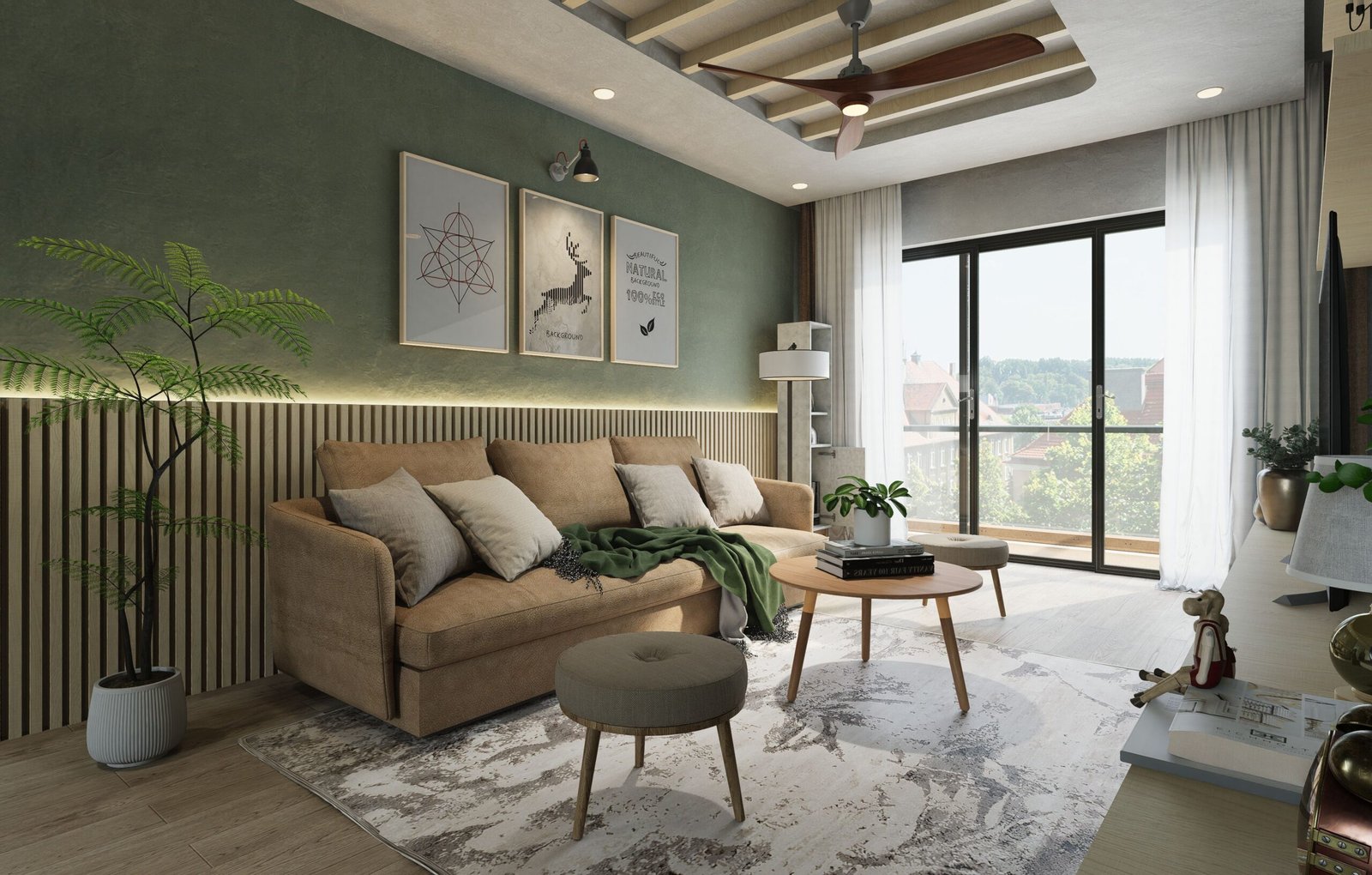
Trisha Thehometrotters is a search term associated with home improvement, interior design, practical decorating, DIY projects, and everyday home solutions. The available online material connects the name Trisha McNamara with TheHomeTrotters, although some personal and professional details have not been independently verified. Understanding this distinction is important when exploring the subject and its home-related content.
Quick Information Table
| Category | Details |
|---|---|
| Main Keyword | Trisha Thehometrotters |
| Associated Name | Trisha McNamara |
| Main Subject | Home improvement and lifestyle |
| Content Focus | DIY, home repairs, interior design, and decoration |
| Related Topics | Home maintenance, organization, and practical living |
| Decorating Approach | Functional, comfortable, and personalized spaces |
| Popular Ideas | Affordable upgrades, storage solutions, and room decoration |
| Intended Audience | Homeowners, renters, and DIY enthusiasts |
| Main Objective | Making homes more attractive and functional |
| Background Information | Published contributor references and home-related articles |
| Verification Status | Some personal and professional details remain unverified |

Who Is Trisha Thehometrotters?
Trisha Thehometrotters is a name associated with online home improvement and lifestyle content. The name is commonly connected with Trisha McNamara, who is identified as a contributor by The Home Trotters website.
The content associated with this name focuses on making everyday living spaces more comfortable, organized, and attractive. It covers subjects such as household repairs, interior decoration, practical DIY projects, and affordable improvements.
Rather than focusing exclusively on expensive renovations, the general approach emphasizes manageable changes that homeowners and renters can consider according to their budgets and available space.
It is important to distinguish published information from independently confirmed biography details. The available material identifies Trisha McNamara as a contributor, but it does not establish a complete independently verified personal history, professional qualification record, or ownership relationship across all similarly named websites.
Understanding the Name and Its Background
The phrase combines a personal name with an online home-related publishing identity. Readers searching for it may be interested in the person behind the content, home improvement recommendations, or decorating inspiration.
The Home Trotters website introduces Trisha McNamara as a contributor and associates her with practical home-related subjects. A separate contributor article published under her name discusses affordable household repairs.
However, several websites use similar TheHomeTrotters branding. Their authors, publishing histories, and ownership arrangements should not automatically be considered identical.
For accurate research, the original website, article byline, and publisher information are important starting points.
Main Areas of Content Associated With Trisha Thehometrotters
The home-related material associated with Trisha Thehometrotters covers several subjects that help readers improve their living environments.
1. Home Improvement and Renovation
Home improvement involves making changes that increase the usefulness, comfort, and appearance of residential spaces.
Common projects include refreshing walls, updating fixtures, improving storage, replacing damaged materials, and reorganizing rooms.
The most effective improvements begin with identifying an actual household problem. For example, a poorly organized kitchen may benefit more from additional storage than from expensive decorative changes.
Homeowners should also consider the property’s condition before beginning renovation work. Structural damage, moisture problems, and outdated electrical installations require appropriate attention.
2. Practical DIY Home Projects
DIY projects allow homeowners to handle certain manageable household improvements without hiring a contractor.
Examples include:
- Painting prepared interior walls.
- Installing suitable storage organizers.
- Replacing cabinet handles.
- Rearranging furniture.
- Refreshing old decorative accessories.
- Improving basic room organization.
- Maintaining suitable household fixtures.
These projects can make living spaces more attractive while keeping costs under control.
However, DIY does not mean every repair should be completed without professional assistance. Electrical installations, gas connections, major plumbing problems, and structural modifications require qualified expertise.
3. Interior Design and Home Decoration
Interior design is another important subject connected with TheHomeTrotters content.
A well-designed interior balances appearance with everyday functionality. Furniture, wall colors, lighting, accessories, and available space should work together.
Simple decorative improvements can create a noticeable difference without requiring a complete renovation.
For example, changing curtains, introducing coordinated cushions, adding suitable lighting, or rearranging furniture can refresh a living room.
The goal is to create an environment that reflects personal preferences while remaining comfortable and practical.
4. Home Maintenance and Everyday Repairs
Home maintenance protects a property from gradual damage and helps prevent small issues from becoming expensive problems.
Common maintenance subjects include plumbing, doors, windows, walls, drainage, and household fixtures.
Regular inspections are useful because many problems develop gradually. A small water leak, for example, may eventually cause damaged cabinets, peeling paint, or moisture-related problems.
A preventive maintenance routine helps homeowners identify these issues earlier.
Popular Home Repair Ideas Associated With Trisha Thehometrotters
A contributor article attributed to Trisha McNamara discusses affordable solutions for common household problems. These examples focus on simple repairs and knowing when professional assistance is necessary.
Fixing Leaky Faucets
A dripping faucet can waste water and create unnecessary inconvenience.
Common causes include worn washers, damaged gaskets, and deteriorated seals.
For a suitable basic faucet repair, the water supply should first be shut off. The affected components can then be inspected and replaced using compatible parts.
If the faucet continues leaking or the plumbing connection is damaged, professional assistance may be necessary.
Repairing Squeaky Doors
Squeaky doors are commonly caused by friction in their hinges.
Appropriate hinge lubricant can reduce friction and improve movement. Loose hinge screws may also need tightening.
If the hinges are damaged or the door is misaligned, the underlying issue should be corrected rather than simply covering up the noise.
Addressing Minor Drain Problems
Slow-draining sinks may result from accumulated hair, soap residue, grease, or other debris.
A suitable drain-cleaning tool or manual removal of accessible debris can help resolve minor blockages.
Avoid mixing household cleaning chemicals, as certain combinations can produce dangerous reactions. Persistent or severe blockages should be assessed by a plumber.
Improving Drafty Windows and Doors
Air gaps around window and door frames can affect indoor comfort.
Suitable weatherstripping and compatible sealants can help reduce unwanted air movement.
Before applying these materials, inspect the frames and identify whether the problem involves damaged seals, poor installation, or structural movement.
Repairing Peeling Paint and Small Wall Cracks
Peeling paint can result from moisture, poor surface preparation, or aging finishes.
For suitable minor cosmetic repairs, loose paint can be removed, the surface prepared, and compatible filler applied where necessary.
Once the surface is dry and smooth, appropriate primer and paint can restore its appearance.
However, recurring cracks or moisture-related damage should be investigated before repainting.
Essential Tools for Everyday Home Repairs
Having basic household tools available makes small maintenance tasks easier to manage.
Some useful tools include:
| Tool | Main Purpose |
|---|---|
| Hammer | Basic household fastening |
| Screwdriver set | Tightening and loosening screws |
| Adjustable wrench | Working with suitable nuts and fittings |
| Pliers | Gripping and holding objects |
| Measuring tape | Taking accurate measurements |
| Utility knife | Cutting suitable household materials |
| Spirit level | Checking alignment |
| Cordless drill | Suitable drilling and fastening tasks |
| Safety glasses | Protecting the eyes |
| Work gloves | Protecting the hands |
Tool selection should depend on the type of work being performed. Always use equipment according to its instructions and safety requirements.
How Trisha Thehometrotters’ Home Ideas Can Be Applied
Home improvement information becomes valuable when it can be adapted to real household requirements.
A useful approach is to start with small projects and gradually work toward larger improvements.
Start With One Room
Choose a room that needs attention instead of attempting to renovate the entire property.
Identify what is not working properly. It could be insufficient storage, poor lighting, uncomfortable furniture placement, or outdated decoration.
Once the main problem is clear, compare suitable solutions.
Set a Practical Budget
Before purchasing materials, calculate the expected project cost.
Include tools, transportation, installation, replacement parts, and possible additional repairs.
Avoid spending money on decorative items before essential maintenance requirements have been addressed.
Measure Before Purchasing
Measurements are particularly important when purchasing furniture, shelves, cabinets, and storage accessories.
Consider door openings, walking space, wall dimensions, and existing furniture arrangements.
Correct measurements reduce unnecessary purchases and help prevent installation problems.
Choose Durable Materials
Affordable materials can be useful, but durability should remain an important consideration.
Compare maintenance requirements, product specifications, warranties, and suitability for the intended location.
Materials used in bathrooms and kitchens, for example, should be appropriate for moisture exposure.
Small-Space Organization and Storage Solutions
Making smaller homes more functional is an important area of practical interior improvement.
Limited space does not necessarily mean limited comfort. Proper organization can make rooms easier to use.
Use Vertical Storage
Wall-mounted shelves and suitable organizers can free up floor space.
Before installation, check the wall material and select appropriate fixings for the expected load.
Choose Multifunctional Furniture
Furniture that provides more than one purpose can be especially useful in apartments and smaller bedrooms.
Examples include storage beds, folding desks, storage benches, and convertible furniture.
Reduce Unnecessary Clutter
Regularly review household belongings and separate frequently used items from things that are rarely needed.
Keep everyday essentials accessible and organize occasional-use items separately.
A simple storage system is generally easier to maintain than an overly complicated arrangement.
Travel-Inspired Home Decoration
Some online content associated with TheHomeTrotters Trisha also connects home styling with travel-inspired decoration.
This concept involves using colors, patterns, textures, and decorative ideas inspired by different places.
For example, a homeowner may introduce natural textures, colorful fabrics, handmade accessories, or design elements inspired by a memorable destination.
The idea does not require expensive international purchases.
Locally available textiles, artwork, decorative pieces, and suitable color combinations can create a similar atmosphere.
Travel-inspired decoration can also make a home feel more personal because it reflects individual interests and experiences.
This should be understood as a decorating theme associated with some online descriptions, rather than a formally established design method independently attributed to Trisha.
Home Improvement for Renters and Homeowners
Home improvement requirements differ depending on whether someone owns or rents a property.
Ideas for Renters
Renters generally benefit from reversible improvements that do not permanently change the property.
Suitable examples include:
- Freestanding storage furniture.
- Removable decorative accessories.
- Curtains and rugs.
- Portable lighting.
- Furniture rearrangement.
- Non-permanent organization systems.
Before making changes, renters should review their lease and obtain permission where necessary.
Ideas for Homeowners
Homeowners usually have greater flexibility when planning renovations.
They may consider permanent improvements such as updated flooring, kitchen cabinets, bathroom fixtures, insulation, and exterior repairs.
However, building regulations, installation requirements, and property conditions should always be considered.
Preventive Maintenance: Protecting Your Home
Regular maintenance is one of the most effective ways to protect a residential property.
Instead of waiting for something to break, homeowners can inspect important areas and identify developing problems.
Regular Plumbing Inspections
Check visible plumbing connections, faucets, drainage areas, and spaces underneath sinks.
Look for unusual moisture, water stains, and unpleasant odors.
Electrical Safety
Pay attention to damaged outlets, loose switches, exposed wiring, and repeated circuit problems.
Avoid attempting complex electrical repairs without the necessary qualifications.
Roof and Exterior Checks
Inspect accessible roof areas, drainage systems, exterior walls, and window seals for visible damage.
Weather-related deterioration should be addressed before it affects the interior of the property.
Heating and Cooling Maintenance
Clean or replace air-conditioning filters according to manufacturer recommendations.
Regular servicing can help maintain performance and identify equipment problems.
Latest Developments and the Future of Home Improvement Content
Home improvement content continues to evolve as household requirements and technology change.
Several subjects are particularly relevant to modern residential improvement.
Energy-Efficient Living
Homeowners increasingly consider efficient appliances, LED lighting, insulation, and improved ventilation when planning upgrades.
These features can support better household energy management.
Smart Home Technology
Smart lighting, security cameras, connected doorbells, and leak detectors offer additional convenience.
The right devices depend on the home’s existing systems, internet connectivity, budget, and security requirements.
Sustainable Home Materials
Durable products, responsibly sourced materials, and reusable furniture can help reduce unnecessary replacement and waste.
Flexible Living Spaces
Modern homes often need to support working, studying, relaxing, and family activities.
Multifunctional furniture and adaptable room arrangements can make residential spaces more useful.
These are broader home improvement developments, not confirmed product recommendations or personal predictions from Trisha.
Is Trisha Thehometrotters a Reliable Source of Home Improvement Advice?
The reliability of online information depends on the specific article and the claims being made.
The available publishing material identifies Trisha McNamara as a contributor and connects the name with practical home repair and improvement topics.
However, the available evidence does not independently establish all personal background details, professional qualifications, or relationships between websites using similar names.
Readers should therefore evaluate individual recommendations carefully.
For basic decorating inspiration and household organization, practical suggestions can be assessed according to their suitability and cost.
For structural renovations, electrical installations, plumbing modifications, and other safety-sensitive work, qualified professionals and appropriate technical guidance are more reliable.
Important Points to Remember
- Check the original article’s author information.
- Distinguish verified facts from website descriptions.
- Compare repair instructions before attempting unfamiliar work.
- Consider safety and material compatibility.
- Avoid assuming similarly named websites share ownership.
- Prioritize professional advice for complex repairs.
Frequently Asked Questions About Trisha Thehometrotters
1. Who is Trisha Thehometrotters?
Trisha Thehometrotters is a search phrase associated with home improvement, interior design, DIY, and lifestyle content. The name Trisha McNamara is identified as a contributor by The Home Trotters website.
2. What is Trisha McNamara known for?
The available contributor material associates Trisha McNamara with practical household repairs, affordable DIY ideas, and home improvement information.
3. What topics are covered by Trisha Thehometrotters?
Associated subjects include home repairs, interior decoration, DIY projects, maintenance, storage solutions, and everyday household improvements.
4. Does Trisha Thehometrotters provide DIY repair ideas?
Yes. A published contributor article attributed to Trisha McNamara discusses common household problems, including leaky faucets, squeaky doors, minor drain issues, drafty windows, and peeling paint.
5. Are the home improvement ideas suitable for beginners?
Many basic decorating, organization, and maintenance activities can be suitable for beginners. However, complex plumbing, electrical, gas, and structural work should be handled by qualified professionals.
6. Can renters use these home improvement ideas?
Yes. Renters can consider reversible improvements such as freestanding storage, portable lighting, rugs, curtains, and furniture rearrangement. They should check their rental agreements before making permanent changes.
7. Is Trisha McNamara the confirmed owner of every TheHomeTrotters website?
No. Available information identifies her as a contributor on one website and as a founder in some descriptions of another. A verified ownership relationship across all similarly named websites has not been established.
8. What makes practical home improvement important?
Practical home improvement can make everyday activities easier, improve organization, maintain property conditions, and create more comfortable living environments.
Conclusion
Trisha Thehometrotters is a search term connected with online home improvement, practical repairs, interior decoration, and everyday lifestyle ideas. The available contributor material associates Trisha McNamara with affordable household repair guidance and useful home improvement topics.
The most valuable ideas connected with this subject involve making sensible improvements, maintaining household fixtures, organizing limited spaces, and choosing decorations that support everyday comfort.
Home improvement does not always require expensive materials or complete renovations. Small changes, regular maintenance, and thoughtful planning can produce meaningful results.
Readers should also distinguish between published contributor information and independently verified personal details. By evaluating online advice carefully and seeking professional assistance when necessary, homeowners and renters can make better decisions and create homes that are attractive, functional, and comfortable.
