

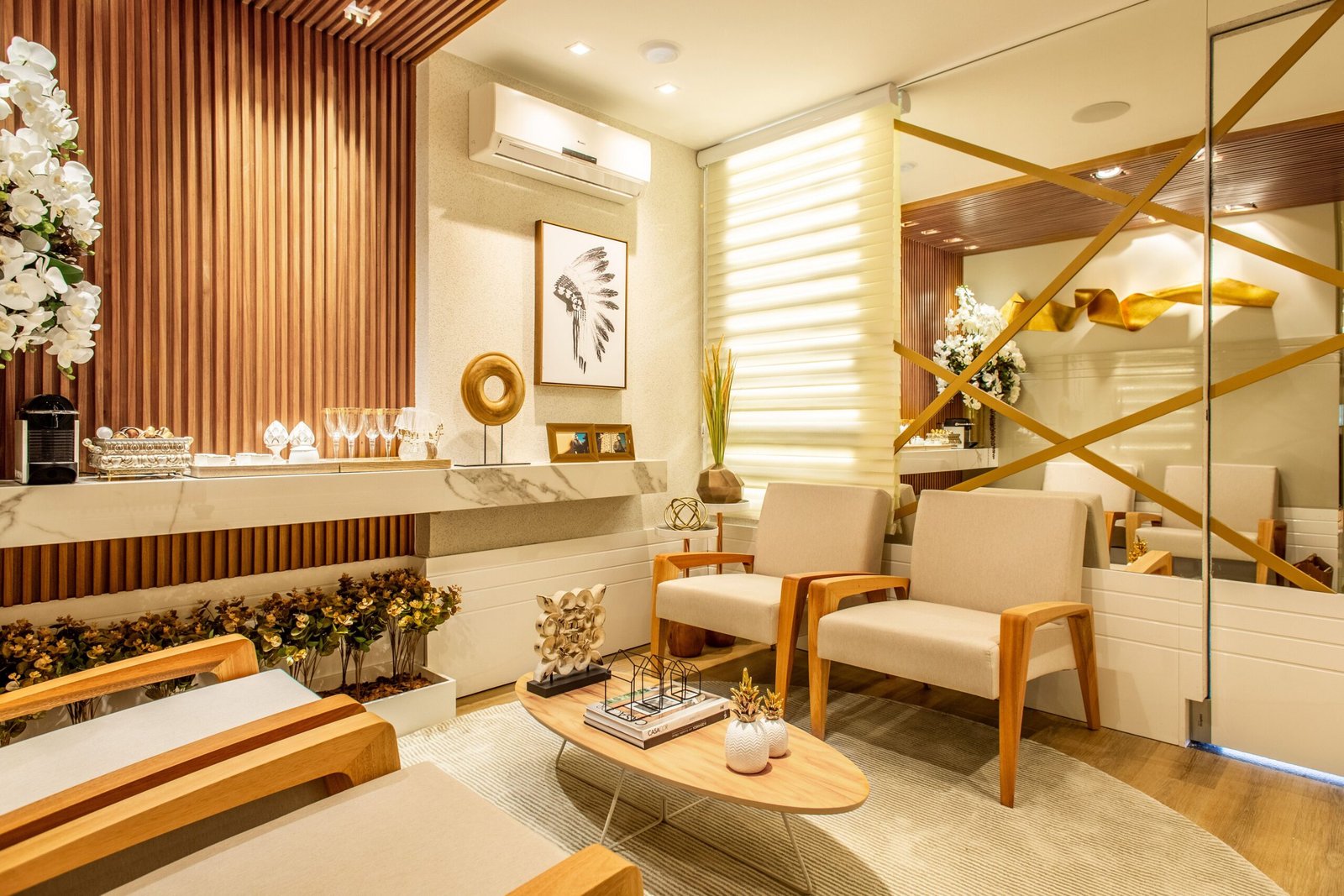
Interior Design Styles play an important role in shaping the appearance, comfort, and functionality of a home. From modern minimalism and traditional elegance to Scandinavian simplicity and industrial character, every design style offers a different way to express personality and create a welcoming living environment.
Choosing the right interior design style involves more than selecting attractive furniture or matching wall colors. It requires understanding how lighting, materials, textures, furniture arrangements, architectural details, and decorative elements work together. Whether you are decorating a new home, renovating an existing space, or simply looking for fresh inspiration, understanding different interior design styles can help you make better decisions.
Quick Information Table
| Information | Details |
|---|---|
| Topic | Interior Design Styles |
| Main Purpose | Creating attractive and functional indoor spaces |
| Main Elements | Furniture, lighting, colors, textures, and materials |
| Popular Styles | Modern, Contemporary, Traditional, Scandinavian, and Minimalist |
| Natural Design Styles | Japandi, Rustic, Bohemian, and Mediterranean |
| Classic Design Styles | Art Deco, Traditional, French Country, and Regency |
| Modern Trends | Organic materials, curved furniture, personalized spaces, and layered textures |
| Suitable Spaces | Living rooms, bedrooms, kitchens, bathrooms, and offices |
| Main Benefits | Comfort, functionality, visual appeal, and personal expression |
| Best Selection Method | Match personal preferences, lifestyle, and available space |
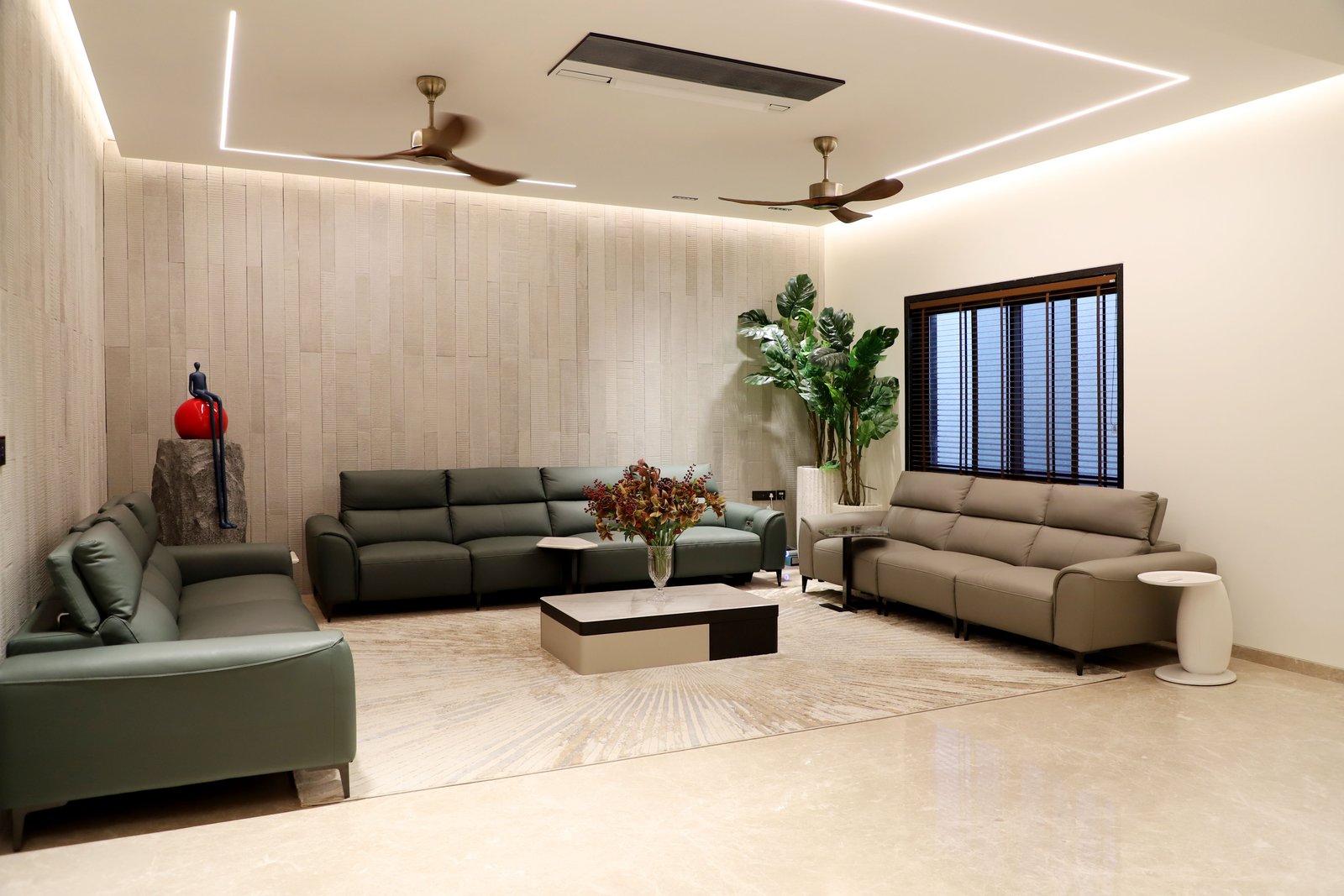
What Are Interior Design Styles?
Interior design styles are recognizable approaches to decorating and organizing indoor spaces. Each style has its own combination of colors, furniture shapes, materials, lighting, patterns, and decorative elements.
Some styles emphasize simplicity and functionality, while others focus on traditional craftsmanship, rich decoration, or natural materials.
For example, minimalist interiors prioritize simplicity and uncluttered spaces. Traditional interiors often feature detailed furniture, decorative finishes, and classic architectural elements. Scandinavian design combines practical furniture with natural textures and comfortable surroundings.
Interior design styles also reflect historical movements, cultural influences, architectural developments, and changing lifestyles. Some are connected to specific periods, while others have developed through the combination of different design traditions.
Understanding these styles makes it easier to create a home that feels coordinated rather than randomly decorated.
Why Are Interior Design Styles Important?
Choosing an interior design style provides direction for decorating a home. Without a consistent approach, furniture, colors, lighting, and accessories may look disconnected.
A suitable design style helps bring different elements together and creates a balanced environment.
Improve Visual Appearance
A coordinated design creates harmony between walls, flooring, furniture, and decorations. Matching materials and colors can make rooms feel more organized and attractive.
Create Functional Spaces
Interior design is not only about appearance. It also involves arranging furniture, improving movement, providing storage, and making everyday activities easier.
Express Personal Preferences
Your home can reflect your personality, interests, and lifestyle. Some people prefer calm and simple interiors, while others enjoy colorful rooms with distinctive decorative pieces.
Make Better Decorating Decisions
Understanding different styles helps homeowners select furniture, flooring, lighting, and accessories that work together.
1. Modern Interior Design Style
<escape>Modern</escape> interior design is influenced by the modernist movements that developed during the early and middle parts of the twentieth century.
It emphasizes simplicity, practical functionality, clean lines, and uncluttered arrangements.
Main Characteristics
- Clean architectural lines.
- Simple furniture shapes.
- Open and functional layouts.
- Neutral colors with selected accents.
- Minimal decorative details.
- Natural and manufactured materials.
- Practical lighting arrangements.
Common materials include wood, glass, metal, concrete, and stone.
Modern interiors often use furniture with straightforward silhouettes and avoid unnecessary decoration.
How to Create a Modern Interior
Choose furniture with simple shapes, use a controlled color palette, and keep decorative accessories limited.
A modern living room might include a streamlined sofa, a simple coffee table, large windows, and carefully selected lighting.
This style works well in apartments, contemporary houses, and spaces where functionality is important.
2. Contemporary Interior Design Style
Contemporary interior design refers to the design ideas of the present time. Unlike modern design, which is associated with a particular historical movement, contemporary design continues to evolve.
It often combines clean architectural features with comfortable furniture, interesting textures, and updated materials.
Main Characteristics
- Current furniture designs.
- Balanced color combinations.
- Smooth and textured surfaces.
- Curved furniture and architectural details.
- Modern lighting fixtures.
- Carefully selected decorative accessories.
Contemporary interiors may include natural stone, polished wood, glass, metal, and textured fabrics.
Modern vs. Contemporary Design
The two styles are often confused, but they are not identical.
Modern design follows established principles from a historical design movement. Contemporary design reflects changing preferences and current developments.
For example, contemporary interiors may include curved sofas, textured walls, and newer decorative materials, while classic modern interiors often maintain more rigid geometric lines.
3. Minimalist Interior Design Style
Minimalist interior design follows the principle of keeping only what is necessary.
It focuses on simplicity, practical furniture, open spaces, and carefully selected decorative objects.
Main Characteristics
- Limited furniture.
- Neutral color palettes.
- Uncluttered surfaces.
- Simple architectural details.
- Hidden storage.
- Functional lighting.
- Clean and balanced layouts.
White, beige, gray, and soft earth tones are commonly used.
Benefits of Minimalist Design
Minimalism can make smaller rooms feel more open and organized. It also makes cleaning and maintaining spaces easier because fewer objects occupy the room.
However, minimalism does not mean creating an empty or uncomfortable home.
Soft rugs, comfortable seating, warm lighting, and natural materials can introduce warmth without compromising simplicity.
4. Scandinavian Interior Design Style
Scandinavian interior design originates from the Nordic countries, including Denmark, Sweden, and Norway.
It is known for combining simplicity, functionality, natural materials, and comfort.
Main Characteristics
- Light-colored walls.
- Pale wood furniture.
- Natural textiles.
- Simple furniture designs.
- Large windows and natural lighting.
- Comfortable rugs and cushions.
- Organized living spaces.
Common materials include oak, birch, wool, cotton, linen, and natural stone.
How to Bring Scandinavian Design Into Your Home
Start with a light color palette and functional furniture. Add comfortable textiles, wooden accessories, and soft lighting.
Avoid overcrowding the room with decorative objects.
The Scandinavian concept of hygge is also associated with comfort, coziness, and enjoyable everyday surroundings.
This style is particularly useful for apartments and rooms that need a bright, welcoming atmosphere.
5. Japandi Interior Design Style
Japandi is a combination of Japanese and Scandinavian design influences.
It brings together Japanese simplicity and appreciation of natural materials with Scandinavian comfort and functionality.
Main Characteristics
- Low-profile furniture.
- Natural wood finishes.
- Neutral and earthy colors.
- Handmade decorative pieces.
- Simple lighting.
- Clean surfaces.
- Carefully selected accessories.
Common colors include beige, brown, cream, muted green, and soft gray.
What Makes Japandi Different?
Japandi interiors are usually more restrained than many other decorative styles.
The focus is on quality, proportion, craftsmanship, and natural beauty.
Handmade ceramics, linen fabrics, wooden furniture, and paper lanterns can help create this atmosphere.
It is particularly suitable for bedrooms, living rooms, and relaxation areas.
6. Traditional Interior Design Style
Traditional interior design takes inspiration from historical European and American decorating traditions.
It often emphasizes symmetry, craftsmanship, decorative details, and classic furniture.
Main Characteristics
- Ornamental furniture.
- Rich wood finishes.
- Decorative moldings.
- Classic patterns.
- Elegant lighting fixtures.
- Antique accessories.
- Balanced furniture arrangements.
Traditional color palettes may include cream, burgundy, navy, forest green, and warm brown.
How to Use Traditional Design
Consider incorporating wooden furniture, patterned curtains, decorative mirrors, classic rugs, and elegant lighting.
Traditional design does not require every item to be antique. Modern furniture can also be introduced while maintaining a classic atmosphere.
7. Transitional Interior Design Style
Transitional interior design combines traditional and contemporary elements.
It is suitable for people who appreciate classic decoration but also want a cleaner, more updated appearance.
Main Characteristics
- Neutral color palettes.
- Comfortable furniture.
- Balanced proportions.
- Simple decorative details.
- Traditional and modern materials.
- A mixture of classic and contemporary accessories.
For example, a transitional living room might include a traditional upholstered sofa, a modern coffee table, neutral walls, and contemporary artwork.
Why Choose Transitional Design?
It offers flexibility without making the interior feel overly traditional or extremely modern.
Because it combines familiar furniture forms with updated finishes, it can work in many different types of homes.
8. Industrial Interior Design Style
Industrial interior design takes inspiration from factories, workshops, and converted warehouse buildings.
It celebrates raw materials and architectural features that are often hidden in other design styles.
Main Characteristics
- Exposed brick walls.
- Concrete surfaces.
- Metal fixtures.
- Visible structural details.
- Dark color combinations.
- Reclaimed wood.
- Open-plan layouts.
Common colors include charcoal, black, brown, gray, and rust.
How to Create an Industrial Look
Use metal shelving, wooden furniture, exposed-style lighting, and simple decorative pieces.
If your home does not have exposed brick or concrete, suitable textured finishes can introduce a similar appearance.
Balance darker industrial materials with comfortable furniture and warm lighting to avoid making the space feel cold.
9. Bohemian Interior Design Style
Bohemian, commonly known as Boho, is a relaxed and expressive decorating style influenced by different cultures, artistic traditions, and personal collections.
It encourages creativity and a less formal approach to interior decoration.
Main Characteristics
- Layered textiles.
- Colorful cushions.
- Decorative rugs.
- Indoor plants.
- Natural materials.
- Handmade accessories.
- Mixed patterns and textures.
Rattan, wicker, cotton, linen, jute, and wood are commonly used.
How to Create a Bohemian Interior
Combine different fabrics, introduce plants, and use decorative objects that reflect personal interests.
A mixture of patterned cushions, woven baskets, colorful rugs, and comfortable furniture can create a welcoming environment.
The most successful Bohemian interiors maintain some visual balance even when combining different colors and patterns.
10. Farmhouse Interior Design Style
Farmhouse design takes inspiration from traditional country homes and practical rural living.
It focuses on comfort, functionality, natural materials, and a welcoming atmosphere.
Main Characteristics
- Wooden furniture.
- Natural textures.
- Simple cabinetry.
- Neutral colors.
- Rustic accessories.
- Comfortable seating.
- Practical storage.
Modern farmhouse interiors often combine traditional country details with contemporary furniture and updated finishes.
Modern Farmhouse Design
Popular elements include exposed wooden beams, simple cabinetry, natural wood finishes, and neutral wall colors.
The style can work in both rural houses and modern residential properties.
11. Rustic Interior Design Style
Rustic interior design emphasizes natural materials, handcrafted objects, and imperfect finishes.
It creates a connection with nature through the use of wood, stone, natural fabrics, and earthy colors.
Main Characteristics
- Unpolished wood.
- Natural stone.
- Exposed beams.
- Handmade furniture.
- Earthy color combinations.
- Textured fabrics.
- Traditional craftsmanship.
Rustic interiors often use brown, beige, green, and warm neutral tones.
Rustic vs. Farmhouse Design
Both styles appreciate natural materials, but rustic design generally places more emphasis on raw textures and rugged finishes.
Farmhouse design is often more organized and refined, particularly in its modern interpretation.
12. Mediterranean Interior Design Style
Mediterranean design draws inspiration from countries surrounding the Mediterranean Sea, particularly Spain, Italy, Greece, and parts of France.
It creates a warm and relaxed atmosphere using natural materials, earthy colors, and architectural details.
Main Characteristics
- Terracotta flooring.
- Arched doorways.
- Textured walls.
- Natural wood.
- Stone surfaces.
- Handmade ceramics.
- Warm neutral colors.
White, blue, olive green, sandy beige, and terracotta are common choices.
How to Create Mediterranean Interiors
Use natural textures, wooden furniture, ceramic accessories, and warm lighting.
Arched mirrors, textured finishes, and handcrafted decorative objects can help introduce Mediterranean character.
13. Coastal Interior Design Style
Coastal interior design is inspired by seaside environments and relaxed beach living.
It uses light colors, natural textures, and comfortable furniture to create a fresh atmosphere.
Main Characteristics
- White and soft blue colors.
- Natural wood.
- Woven furniture.
- Linen fabrics.
- Light curtains.
- Comfortable seating.
- Simple decorative accessories.
Coastal design does not require excessive seashell decorations or nautical accessories.
A more refined approach uses natural textures, soft colors, and plenty of daylight.
14. Art Deco Interior Design Style
Art Deco developed during the 1920s and became especially influential during the 1930s.
It is recognized for geometric patterns, luxurious materials, symmetrical arrangements, and decorative details.
Main Characteristics
- Geometric shapes.
- Bold patterns.
- Mirrored surfaces.
- Polished finishes.
- Decorative lighting.
- Marble and lacquer.
- Metallic accents.
Common colors include black, gold, emerald green, deep blue, and rich jewel tones.
How to Use Art Deco
Introduce geometric wallpaper, decorative mirrors, elegant furniture, and statement lighting.
A modern interpretation can combine Art Deco details with contemporary furniture to create a sophisticated interior.
15. Eclectic Interior Design Style
Eclectic interior design combines elements from different periods, cultures, and decorating traditions.
Rather than following a single established aesthetic, it creates a personalized environment through carefully selected combinations.
Main Characteristics
- Mixed furniture styles.
- Different decorative periods.
- Layered colors and textures.
- Vintage and modern accessories.
- Unique artwork.
- Personalized collections.
How to Maintain Balance
Although eclectic design allows creative freedom, successful combinations require some coordination.
Choose a shared color palette, repeat selected materials, and maintain appropriate proportions.
This prevents the room from looking disorganized.
16. Maximalist Interior Design Style
Maximalism follows a more expressive approach to decoration.
Unlike minimalism, which reduces visual elements, maximalist design celebrates color, pattern, texture, artwork, and decorative collections.
Main Characteristics
- Bold wall colors.
- Layered patterns.
- Statement furniture.
- Decorative artwork.
- Rich fabrics.
- Mixed textures.
- Personal collections.
How to Create a Balanced Maximalist Room
Choose a few dominant colors and repeat them throughout the room.
Combine patterned fabrics with suitable furniture, artwork, and lighting.
The objective is to create an expressive interior that feels intentional rather than overcrowded.
17. French Country Interior Design Style
French country design combines rustic materials with traditional European elegance.
It is influenced by countryside homes in France and often uses soft colors, vintage furniture, and natural finishes.
Main Characteristics
- Muted colors.
- Antique furniture.
- Floral and toile patterns.
- Woven materials.
- Decorative lighting.
- Natural wood.
- Elegant accessories.
Cream, pale blue, soft yellow, and muted green are common colors.
The style creates a warm and welcoming atmosphere without requiring highly formal decoration.
18. Mid-Century Modern Interior Design Style
Mid-century modern design developed during the middle decades of the twentieth century, particularly from the 1940s through the 1960s.
It emphasizes practical furniture, organic shapes, simple construction, and functional design.
Main Characteristics
- Tapered furniture legs.
- Organic shapes.
- Warm wooden finishes.
- Simple geometric patterns.
- Functional furniture.
- Statement lighting.
- Selected bold colors.
Walnut and teak are commonly associated with this style.
How to Use Mid-Century Modern Design
Choose furniture with clean silhouettes, wooden finishes, and practical proportions.
Introduce carefully selected accent colors such as mustard yellow, olive green, or teal.
Vintage-inspired lighting and artwork can complete the look.
How to Choose the Right Interior Design Style
Choosing a suitable interior design style requires considering more than personal taste.
The size of your home, architectural structure, budget, lighting conditions, and everyday activities all influence the final decision.
1. Understand Your Personal Preferences
Start by collecting pictures of rooms, furniture, and decorations that appeal to you.
Look for repeated features, such as similar colors, wooden finishes, furniture shapes, or lighting arrangements.
These patterns can help you identify your preferred design direction.
2. Consider Your Available Space
A large room can accommodate substantial furniture and decorative features.
Smaller rooms may benefit from lighter colors, multifunctional furniture, and better storage.
Always measure your space before purchasing major furniture pieces.
3. Select a Suitable Color Palette
Choose a small group of complementary colors.
Neutral shades can provide a flexible foundation, while accent colors introduce personality.
Consider how natural and artificial lighting affect colors throughout the day.
4. Consider Your Budget
Some design styles require expensive materials, custom furniture, or detailed architectural work.
Others can be achieved through furniture rearrangement, painting, lighting improvements, and affordable accessories.
Prioritize durable and frequently used items before purchasing decorative extras.
5. Mix Styles Carefully
You do not have to follow a single design style throughout your home.
Many attractive interiors combine two complementary approaches.
For example, Scandinavian simplicity can work with Japanese decorative restraint, while traditional furniture can be combined with contemporary lighting.
A useful approach is to select one dominant style and introduce a smaller number of elements from another.
Latest Interior Design Trends in 2026
Interior design continues to evolve as homeowners seek spaces that feel more comfortable, personal, and functional.
Several important directions are influencing contemporary residential interiors.
Warm and Natural Materials
Natural stone, wood, linen, textured plaster, and handmade ceramics are increasingly relevant to comfortable residential design.
These materials introduce depth and visual interest without relying entirely on decorative accessories.
Curved Furniture and Softer Shapes
Rounded sofas, curved chairs, circular tables, and softer architectural details can create a more relaxed atmosphere.
These forms can also balance interiors dominated by straight architectural lines.
Personalized and Collected Interiors
Homeowners are increasingly interested in spaces that reflect their individual experiences rather than perfectly matching furniture collections.
Vintage objects, family photographs, artwork, and meaningful decorative pieces can create a more personal environment.
New Traditional Design
New traditional design updates classic interiors with modern colors, contemporary artwork, refreshed finishes, and distinctive patterns.
It retains traditional craftsmanship while making rooms feel less formal and more suitable for current lifestyles.
Comfortable Multifunctional Spaces
Homes increasingly serve multiple purposes, including working, relaxing, entertaining, and studying.
Flexible furniture, adaptable layouts, and practical storage help residential spaces meet these changing requirements.
Common Interior Design Mistakes to Avoid
Even attractive furniture and expensive materials cannot guarantee a successful interior.
Avoiding common mistakes can make the design process easier.
Choosing Furniture Without Measuring
Large furniture can block pathways and make smaller rooms feel crowded.
Measure room dimensions and furniture carefully before purchasing.
Using Too Many Colors
Combining too many unrelated colors can create visual confusion.
Choose a coordinated palette and introduce additional colors through selected accessories.
Ignoring Lighting
One ceiling light may not provide sufficient illumination for every activity.
Combine general, task, and accent lighting to create a more comfortable environment.
Following Trends Without Considering Lifestyle
A design may look attractive in photographs but may not suit your everyday requirements.
Always consider maintenance, durability, comfort, and available space.
Overdecorating the Room
Too many decorative accessories can make a room feel crowded.
Select items carefully and leave enough open space to maintain balance.
Benefits of Understanding Different Interior Design Styles
Learning about interior design styles provides several advantages.
Better home planning: Understanding different aesthetics makes it easier to develop a consistent decorating plan.
Improved functionality: Appropriate furniture and layouts can make rooms easier to use.
Personal expression: Different styles allow homeowners to reflect their interests and preferences.
Better material selection: Knowing the characteristics of each style helps with choosing suitable finishes and textures.
Long-term satisfaction: A well-planned interior can remain comfortable and attractive beyond short-lived decorating trends.
More confident purchasing decisions: Understanding furniture shapes, materials, and colors reduces the likelihood of mismatched purchases.
Frequently Asked Questions (FAQs)
1. What are the most popular interior design styles?
Some widely recognized styles include modern, contemporary, minimalist, Scandinavian, traditional, transitional, industrial, farmhouse, Bohemian, Japandi, and mid-century modern.
2. What is the difference between modern and contemporary interior design?
Modern design refers to a historical design movement, while contemporary design represents current styles and continues to change with time.
3. Which interior design style is best for small homes?
Minimalist and Scandinavian styles are often suitable for small homes because they emphasize functional furniture, natural lighting, simple layouts, and organized spaces.
4. What is Japandi interior design?
Japandi combines Japanese design principles with Scandinavian functionality and comfort. It uses natural materials, neutral colors, simple furniture, and uncluttered arrangements.
5. Can different interior design styles be combined?
Yes. Combining styles can create a personalized interior. The key is to maintain a consistent color palette, repeat selected materials, and establish one dominant design direction.
6. Which interior design style looks luxurious?
Art Deco, traditional, contemporary, and certain modern classic interiors can create a luxurious appearance through quality materials, thoughtful lighting, elegant furniture, and coordinated finishes.
7. Is minimalist interior design suitable for families?
Yes. Minimalism can work well for families when it includes practical storage, comfortable furniture, durable materials, and sufficient space for everyday activities.
8. What interior design trends are popular in 2026?
Current design directions include natural materials, curved furniture, warm textures, personalized decoration, multifunctional spaces, and updated traditional interiors.
9. How do I find my personal interior design style?
Collect photographs of interiors you like, identify common colors and materials, consider your lifestyle, and test your preferred approach in one room before decorating the entire home.
Conclusion
Interior Design Styles provide different ways to create beautiful, comfortable, and functional living environments. From modern minimalism and Scandinavian simplicity to traditional elegance, industrial character, and expressive Bohemian decoration, each style offers unique design possibilities.
The best interior design is not necessarily the most expensive or fashionable. It is the one that matches your lifestyle, available space, personal preferences, and practical requirements.
Before beginning a decorating project, understand the characteristics of different styles, establish a coordinated color palette, choose suitable materials, and plan furniture arrangements carefully.
You can also combine different design influences to create a home that feels individual and welcoming. With thoughtful planning and attention to detail, any living space can become more attractive, organized, and comfortable.
